

The Vancouver area, like all of British Columbia, is renowned for its fishing industry, writes vancouver-name. The abundance of various fish species has significantly contributed to the development of the local fishing industry. Among these, salmon is the most prominent. With its plentiful presence in the region, salmon fishing has been actively pursued for years.
However, Vancouver’s history includes instances where infrastructure expansion and the construction of critical facilities severely disrupted salmon spawning grounds. This created an urgent need to address the issue.
One of the key solutions was the establishment of the Seymour Salmon Hatchery. This initiative played a pivotal role in the preservation of salmon spawning grounds and the species’ population. Experts at the hatchery, alongside the Vancouver Institute of Technology, worked tirelessly to restore salmon numbers and create optimal conditions for their growth and reproduction.
The results were remarkable.
This article, based on information from seymoursalmon.com, delves into the history of the hatchery, which has become a landmark for British Columbia’s fishing industry.
Honorary Status
In 1907, the Seymour River was designated as a primary water source for North Vancouver. That year marked the construction of the first intake facility.
The first dam was built in 1927, followed by a second in 1961.
The reservoir created by the second dam remains one of Vancouver’s key sources of drinking water.
Finding a Solution
Construction work on the dams significantly restricted migratory fish access to the upper reaches of the Seymour River. These upper zones were critical spawning areas for salmon.
This prompted the development of special programs and plans aimed at improving fish stocks.
Establishing the Hatchery
The first hatchery was launched in 1977 by the Vancouver Institute of Technology. Initially, the hatchery operated on a small scale. However, the urgent need to replenish fish stocks necessitated its expansion.
Over time, the hatchery grew into a full-scale facility. Students were also involved in the hatchery’s operations, providing them with practical field experience in aquaculture.
In 1987, the Seymour Salmonid Society was established to oversee the hatchery’s operations.
Key Historical Milestones
The history of the hatchery includes several notable events and dates:
1977: Construction of a sediment pond began on the future hatchery site.
1978: The first hatchery was opened by the Vancouver Institute of Technology, and students were actively involved in its operations.
1987: An aeration tower and a specialized shed for fish rearing were constructed.
1989: Salmon rearing channels were established.
1996: The Seymour Hatchery educational program was launched.
2017: Outdated cement raceways were replaced with modern circular tanks.
A Model for Sustainable Aquaculture
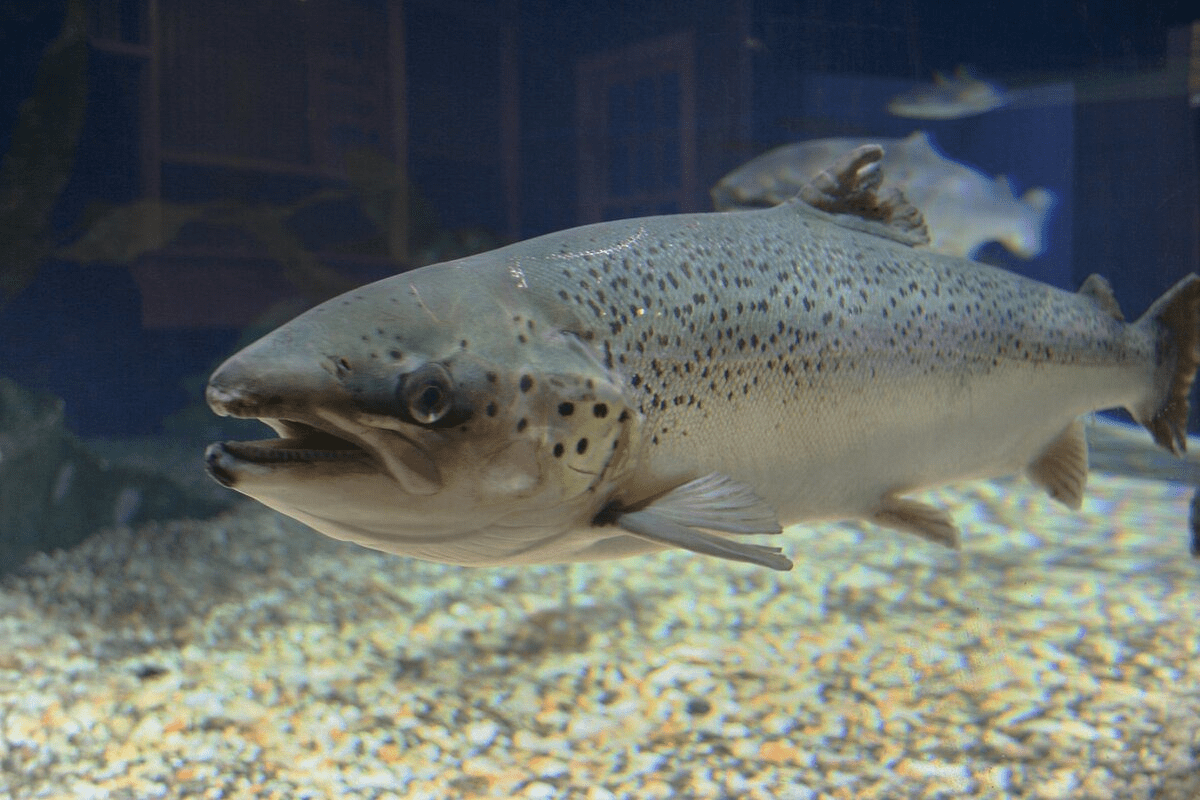
The initiative to restore and grow the salmon population led to the creation of a vital facility. The Seymour Salmon Hatchery serves as a prime example of effective and sustainable fish farming practices. By adhering to proper methodologies and ensuring ideal conditions, the hatchery has become a beacon for salmon conservation efforts.