

Vancouver has consistently ranked among the world’s most livable and green cities. In 2022, the Economist Intelligence Unit placed Vancouver 5th on its list of the most livable cities, evaluating over 30 factors, including stability, healthcare, environment, education, and infrastructure. This article explores what has allowed Vancouver to maintain its status as one of the greenest cities on the planet on vancouver-name.
Favorable Location
Vancouver is located on Canada’s western coastline, near the U.S. border, surrounded by the bay on one side and mountains on the other. The mild maritime climate ensures warm winters and temperate summers, making it an ideal setting for environmental sustainability.
The city’s advantageous geographic location and climate have laid the foundation for its green development. Furthermore, the region boasts extensive untouched forests, contributing to the area’s ecological richness.
Expanding Parks and Green Spaces
The city government and local activists have worked diligently to preserve and expand parks, squares, and other green urban spaces. Over 90% of Vancouver’s residents live within a 5-minute walk of a green area, and the city’s urban forest density is approximately 18%. Vancouver is home to more than 230 parks, nine beaches, and 22 kilometers of waterfront pedestrian pathways.
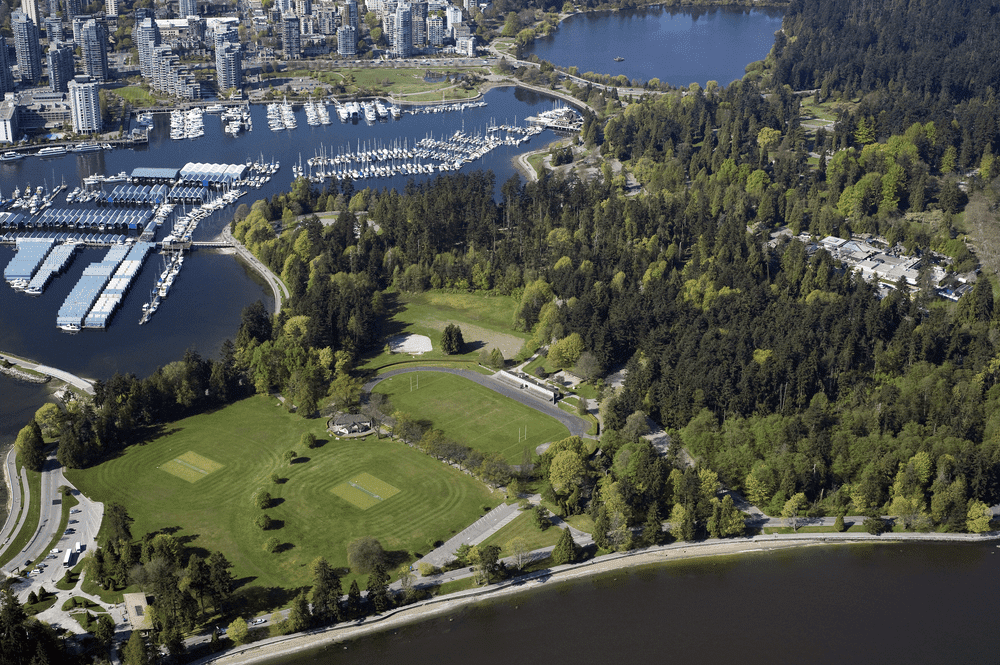
One of the city’s most famous parks is Stanley Park, which exceeds the size of New York City’s Central Park and is the largest urban park in North America. Its strategic location offers visitors breathtaking views of the bay, forests, and mountains, all in a single visit. The park’s 8.8-kilometer perimeter trail is a favorite spot for both locals and tourists alike.
Renewable Energy Sources
More than 95% of Vancouver’s electricity is generated from renewable sources, with hydroelectric power being the dominant contributor. This is largely due to the city’s proximity to bays, straits, and the ocean. Additionally, Vancouver utilizes solar, wind, and energy derived from waste processing to diversify its energy mix.
Urban Planning
The city’s appearance was significantly influenced by protests in the 1970s against the construction of major highways. As a result, Vancouver remains the only North American city without highways cutting through its residential neighborhoods.
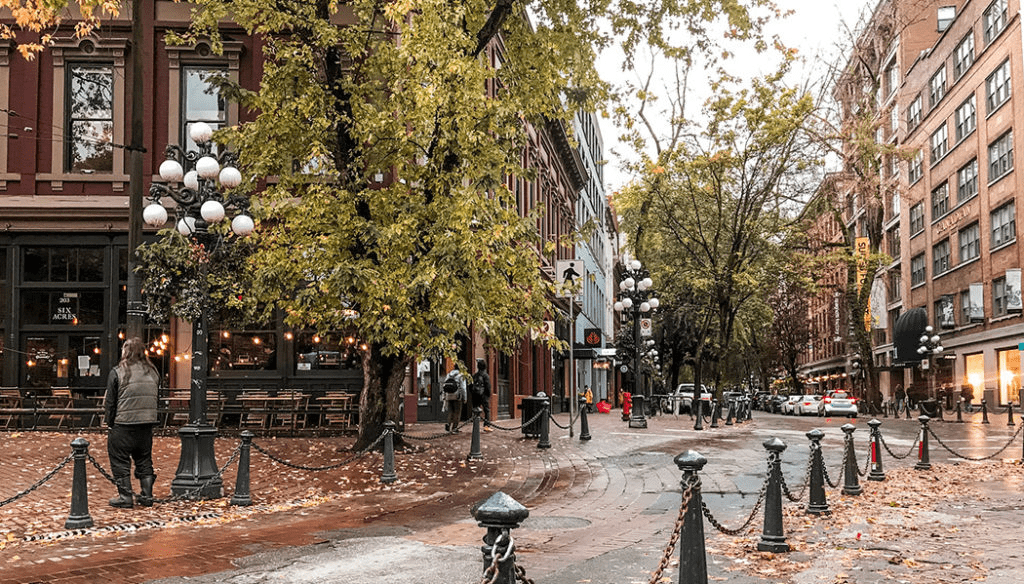
The city’s streets are notably narrow by North American standards, with a total width of around 20 meters, of which approximately 10 meters are dedicated to driving lanes. This design prioritizes walkability and reduces car dependency, further supporting Vancouver’s green goals.
Eco-Friendly Construction
Vancouver is a leader in green building practices, with strict regulations promoting energy efficiency and sustainability in new developments. The city incentivizes the use of environmentally friendly materials and renewable energy systems in residential, commercial, and public buildings.
Waste Sorting and Recycling
The city has implemented comprehensive waste management programs that emphasize recycling and composting. Initiatives encourage residents to sort waste into organics, recyclables, and landfill-bound trash, reducing overall waste sent to landfills.
Local Food Systems
Vancouver has made significant strides in supporting local agriculture and sustainable food systems. Community gardens, farmers’ markets, and urban farming initiatives encourage residents to consume locally produced food, reducing the carbon footprint associated with transportation.
Air Quality Improvement
Efforts to combat air pollution include investments in public transit, bicycle infrastructure, and clean energy transportation systems. Vancouver’s air quality standards exceed national requirements, and the city continues to develop policies aimed at reducing greenhouse gas emissions.
Vancouver’s dedication to sustainability, urban innovation, and community involvement has cemented its reputation as a global leader in green living. The city’s initiatives not only enhance the quality of life for its residents but also serve as a model for urban sustainability worldwide.
How Vancouver Achieved Its Status as One of the Greenest Cities in the World
Vancouver has consistently ranked among the world’s most sustainable cities due to its innovative approach to urban planning, green initiatives, and environmental consciousness. Below are the key factors that have contributed to Vancouver’s success as a global green leader.
Compact Urban Development
The absence of wide boulevards and the high cost of public transportation have led to a compact city layout, especially in the downtown core. Urban planning prioritizes vertical development, such as apartments above shops or a university located on the upper floors of a Surrey shopping mall. This design ensures residents have easy access to essential infrastructure, all within walking or cycling distance.
Pedestrians and cyclists take precedence in Vancouver, with city-wide programs encouraging walking and biking. Green spaces line most sidewalks and bike paths, fostering a pedestrian-friendly atmosphere.
The city has also invested significantly in cycling infrastructure, including parking facilities and separated bike lanes. According to a report by HUB Cycling and TransLink, Vancouver’s cycling network expanded from 1,100 miles in 2009 to 2,900 miles in 2019. Reduced reliance on cars has decreased congestion and traffic-related emissions.
Green Construction
Since 2011, green construction has become increasingly popular in Vancouver. This approach prioritizes environmentally safe practices at every stage of building, including design, construction, operation, maintenance, renovation, and demolition.
Green buildings minimize resource usage, including energy, land, water, and materials, while also reducing carbon emissions. These buildings primarily rely on renewable energy sources, cutting carbon dioxide emissions by nearly half compared to conventional structures.
The goals of green construction include:
- Minimizing harm to the environment during construction and operation.
- Providing sustainable and comfortable living spaces for residents.
- Efficiently utilizing space and resources.
Waste Sorting and Recycling
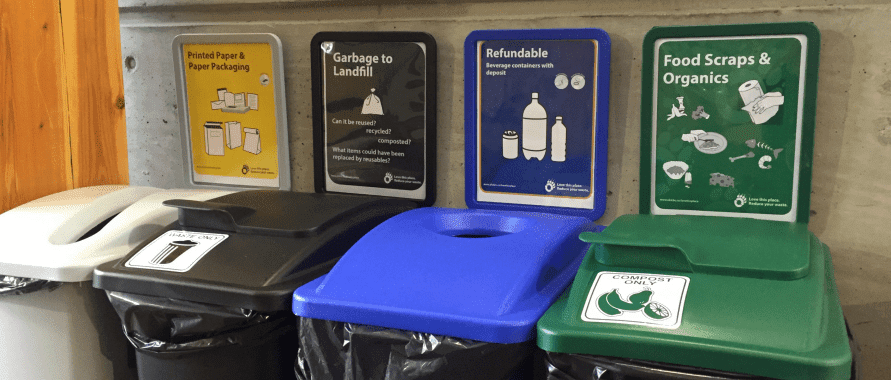
In 2015, Vancouver introduced mandatory organic waste sorting. Food scraps, which account for about 40% of landfill waste, now go into green-lidded bins placed across the city. The organic waste is then composted and repurposed for use by farmers and gardeners.
Additionally, cigarette waste bins were introduced in 2021, with 15 containers installed in high-foot-traffic areas. This initiative reduced street and park litter and collected approximately five kilograms of cigarette waste within ten months. Cigarette filters, containing toxic chemicals like arsenic and lead, are harmful to the environment and human health.
Vancouver also tackled plastic pollution in waterways through the use of skimmers, designed by Vancouver Plastic Cleanup. These containers filter floating debris from water surfaces and were installed at major docks on Granville Island, significantly reducing plastic waste in the water.
Local Food Systems
The Vancouver Food Networks Coalition supports the distribution of products from local farmers and entrepreneurs within neighborhoods. These food networks bolster the local economy, provide fresh and healthy “farm-to-table” options, and reduce the environmental impact associated with large supermarket supply chains.

Air Quality Improvements
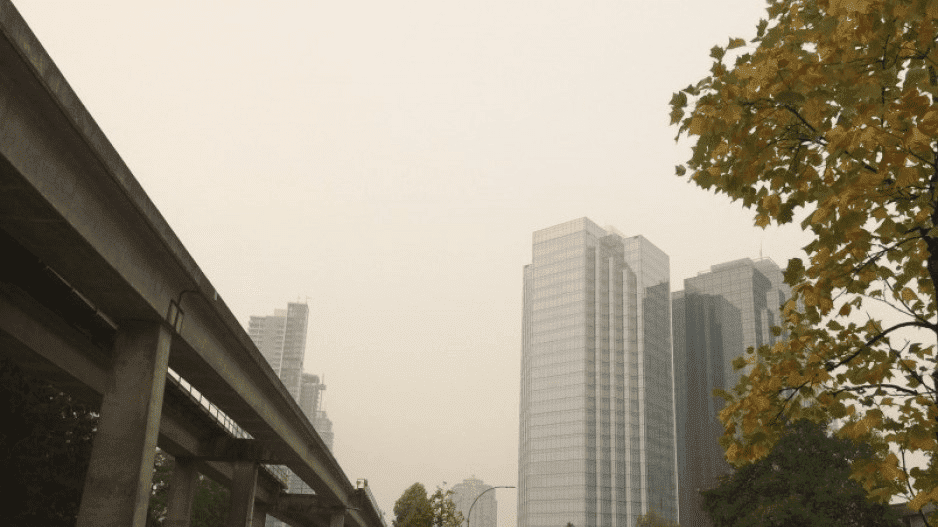
To combat climate change and improve air quality, Vancouver implemented the Clean Air Plan, targeting emissions reductions from key sources such as transportation, buildings, and industry.
The plan emphasizes:
- Promoting zero-emission vehicles and making them more accessible to the public.
- Reducing carbon emissions from buildings through the adoption of high-efficiency electric heat pumps and other renewable energy sources for heating.
Vancouver’s innovative urban planning, commitment to renewable energy, and community-focused initiatives have transformed it into one of the greenest cities in the world. Its efforts to promote sustainable living, reduce waste, and clean the air not only benefit the local population but also serve as a model for other cities striving for environmental excellence.