

Canada’s food industry is a vital pillar of the national economy, and Vancouver, as one of the country’s largest and most developed cities, holds a leading position in the sector. It’s a dynamic hub for processing agricultural products and a birthplace for innovative, trend-setting food items. More on vancouver-name.
One of the main forces driving Vancouver’s food industry is its prime geographic location. Situated on Canada’s West Coast, residents and businesses have direct access to a wealth of marine resources, including fresh seafood and saltwater fish like salmon, halibut, mussels, and more.
What Are the Risks in the Food Sector?
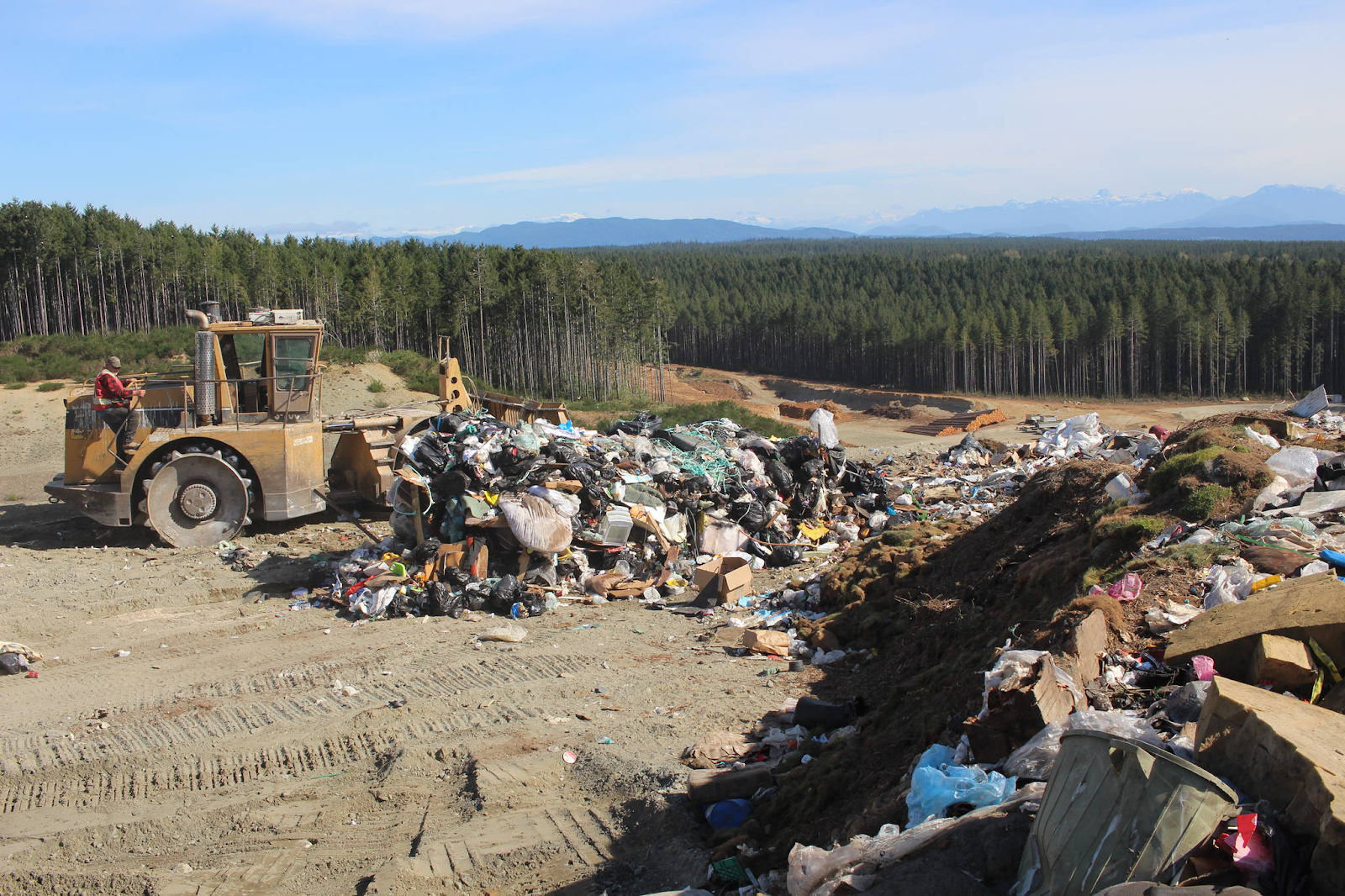
The food industry, like any major sector, has its drawbacks. The biggest challenges are linked to the environmental impact of production. While British Columbia maintains strict ecological standards, suppliers are constantly required to adapt to new regulations, implement innovations, and ensure product quality. This is no small feat. One of the biggest hurdles is water contamination, particularly from seafood production. Vancouver is a significant centre for aquaculture, especially salmon farming, which occasionally leads to water pollution and the release of chemical compounds into the environment. This doesn’t just harm local ecosystems; it raises serious concerns among local fishing communities who rely on pristine water quality.
Another pressing issue is the use of pesticides and chemical fertilizers in traditional agriculture. Despite the rise of organic farming, conventional methods still leave a noticeable environmental footprint. That’s why more and more farmers are adopting eco-friendly technologies and striving to cut down on chemical use. This is the only way to make production truly safer for the environment.
Innovating the Food Sector
Vancouver has long been a role model for other Canadian cities when it comes to innovative approaches to sustainable food industry development. One major achievement is the shift towards using organic products and technologies that minimize environmental harm.
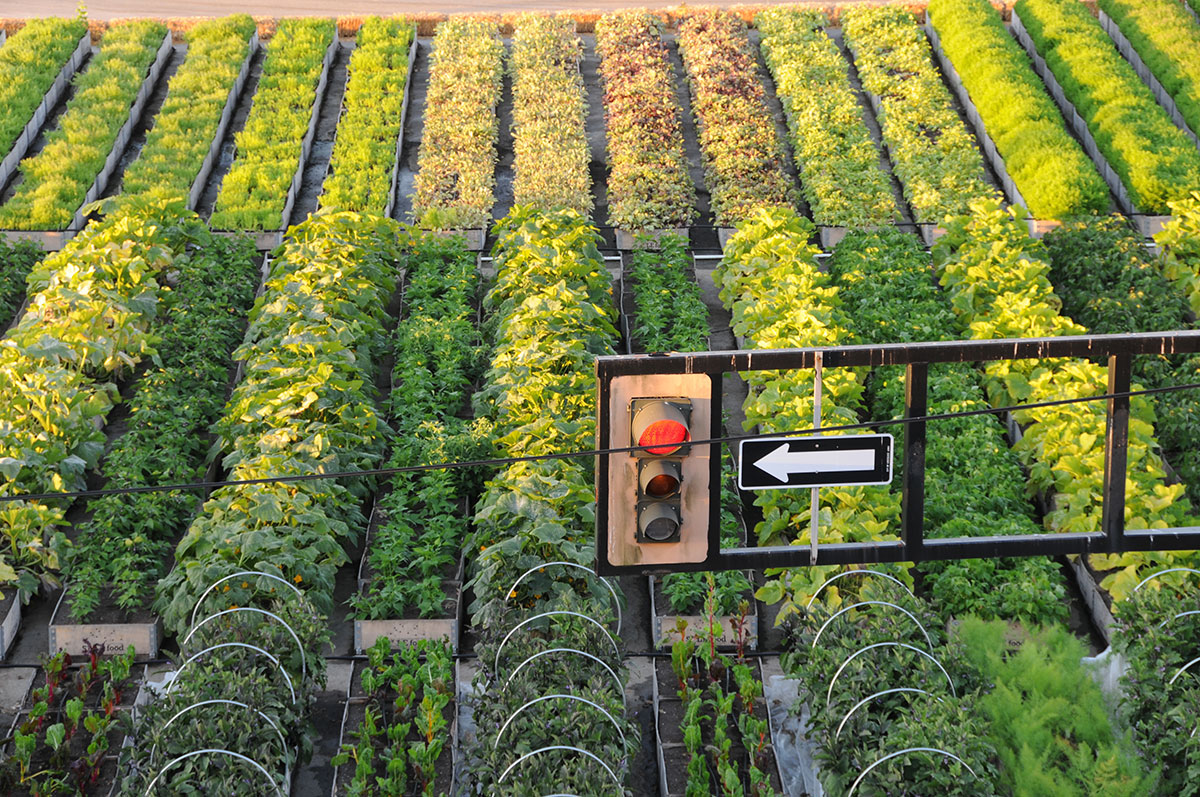
The city actively champions the growth of organic agriculture. Farmers’ markets are thriving, where local producers sell goods grown without chemical fertilizers or pesticides. This not only supports ecological preservation but also gives consumers access to healthier food options. Driven by massive consumer demand for organic fare, Vancouver has become a key hub for organic farming in Canada. Agricultural businesses are using cutting-edge techniques, such as vertical farms, which conserve space and resources when growing produce. The development of alternative protein sources is also a major breakthrough. Plant-based protein products have become incredibly popular with local consumers focused on health and sustainability, and Vancouver is a leader in plant-based food manufacturing.
Another crucial aspect of the food industry’s growth in Vancouver is its strong partnership with local communities. The city actively backs initiatives focused on developing small-scale farms that grow organic products. This creates new employment opportunities and ensures local consumers get fresh, healthy produce. Special attention is given to supporting Indigenous Peoples who maintain ancient traditions in farming and fishing. For many Vancouver residents, ecologically sustainable development in the food sector is a vital step in preserving their cultural heritage. This allows for the retention of traditional farming and fishing methods while seamlessly integrating them into modern economic processes.
Strategies for Overcoming Environmental Issues
Vancouver is aggressively working to tackle environmental problems, particularly in the food sector. The overall focus is on transitioning to more efficient production methods. These include:
- Adopting technologies that minimize environmental impact. Vancouver is seeing a boom in companies developing eco-friendly technologies for land cultivation and food processing. Implementing these innovations reduces the need for chemical substances and minimizes ecological damage.
- Using renewable energy in the food industry. To shrink their environmental footprint, businesses are switching to solar and wind power, reducing their reliance on fossil fuels.
- Supporting innovation in food technology. Vancouver is a powerhouse of startups developing new food products, especially meat substitutes that are less harmful to the environment. This effort helps reduce the use of agricultural resources and lowers greenhouse gas emissions.
- Eco-certification and monitoring. Environmental certification standards for food products are being actively implemented in Vancouver, allowing consumers to choose products with the smallest ecological impact. A key step in this process is introducing a system for monitoring and assessing the production process’s ecological footprint.
Furthermore, to curb the negative effects of the food industry on the environment, a strong focus is placed on ecological education for both producers and consumers. Numerous organizations and community initiatives in the city run campaigns to boost public awareness about the importance of responsible production and consumption, and how these actions affect the environment.
Courses, seminars, and workshops are held for farmers, producers, and entrepreneurs to help them master the latest production methods. There are also programs for students that help younger generations understand the value of conservation and responsible attitudes toward food.
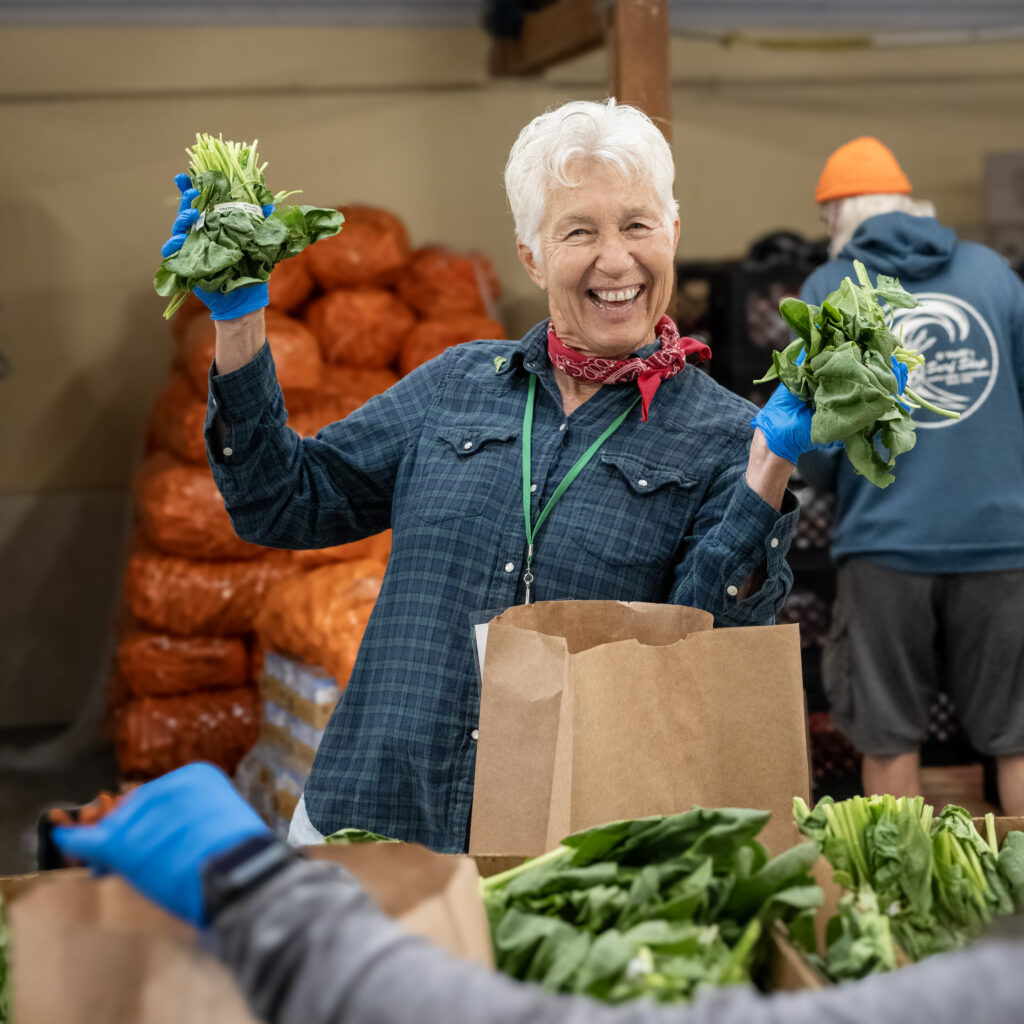
A significant part of this push is the popularization of “zero waste” strategies. Many businesses and restaurants in Vancouver are implementing strategies to reduce food waste, by either composting or diverting it for secondary use. This not only conserves resources but also actively combats the growing volume of waste sent to landfills.
The Popularity of Local and Organic Food
The trend for local and organic food, popular in many global cities, has certainly taken hold in Vancouver. It’s no surprise that locally sourced food products are increasingly valued here. This allows Vancouverites to buy fresh, high-quality food, while simultaneously helping to reduce the carbon footprint associated with transporting goods from other regions.
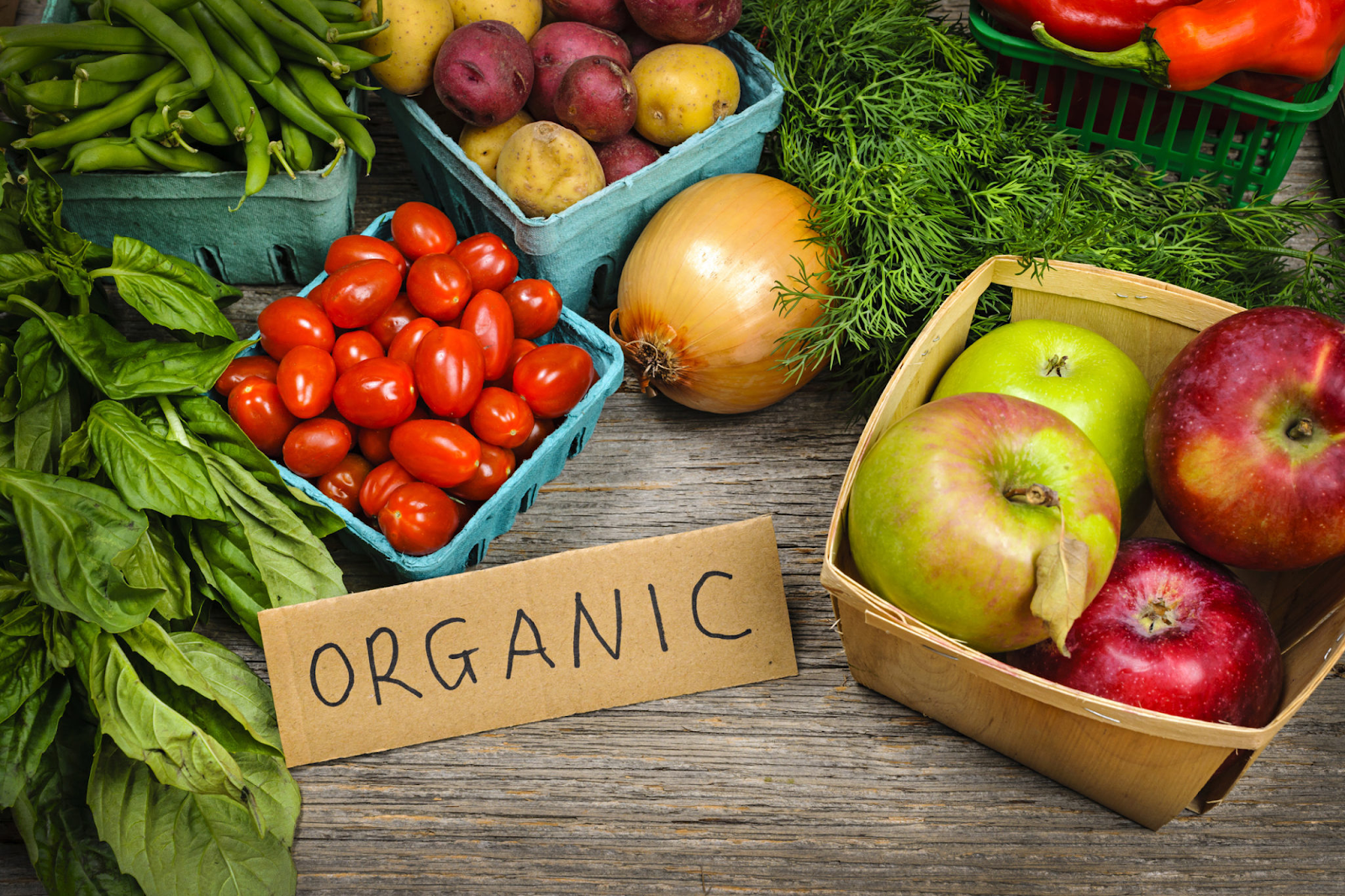
As noted earlier, farmers’ markets have gained particular popularity, offering not just organic fruits and vegetables, but also meat and dairy products. Vancouverites actively support local producers, allowing these businesses to grow and supply the market with healthy and eco-friendly food.