

Hydropower is widely utilized in Vancouver due to its advantageous geographic location near the ocean, bays, rivers, and lakes. The city’s first hydroelectric station was constructed in the early 20th century near Buntzen Lake, marking a significant breakthrough in energy production. More details are available on vancouver-name.
Construction of the Power Station
The predecessor of BC Hydro was BCERC, established in 1987. While key decisions were made in London, Johannes Buntzen was appointed to oversee energy issues in North America. He is often referred to as the “father” of electricity in British Columbia.
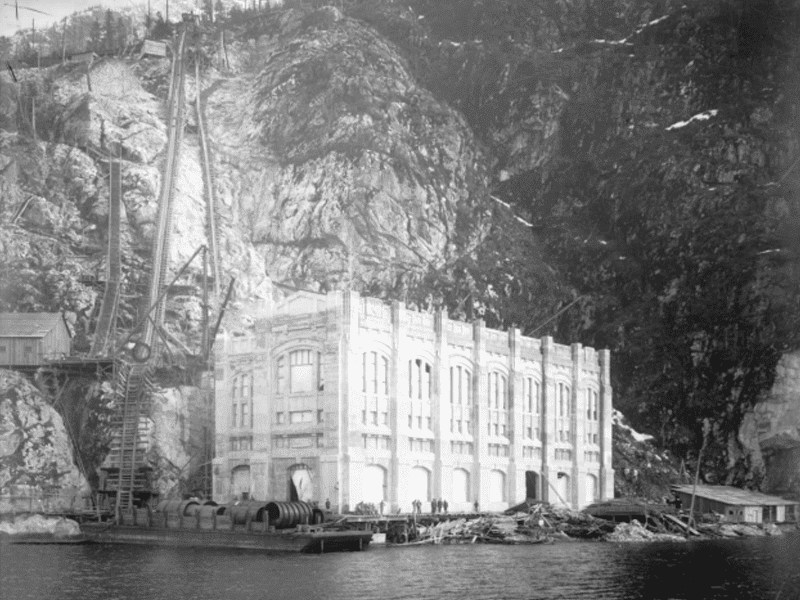
Under Buntzen’s leadership, construction of the first power station in British Columbia’s Lower Mainland began in the fall of 1901. A tunnel was built to channel water from Coquitlam Lake to Beautiful Lake, later renamed Buntzen Lake. This tunnel, stretching 3.6 kilometers, cut through Eagle Mountain. Two teams of workers started from opposite ends and met in the middle with a margin of error of just three-quarters of an inch—a groundbreaking engineering feat for its time.
Building the tunnel involved cutting through 2.4 miles of solid granite, a task that workers performed under harsh conditions. They worked in three shifts around the clock, frequently encountering accidents and fatalities.
First Power Generated
The tunnel and power station were completed in a remarkably short time. By June 1903, the station was officially opened and operational, named in honor of Johannes Buntzen.
Initially, the project was budgeted at $800,000, but the final cost reached $1.2 million.
Two days after its launch, Vancouver’s entire electricity supply came from the new power station. A contemporary provincial newspaper celebrated this achievement with an article titled “Steam Gives Way to Hydropower.” Before 1903, Vancouver’s electricity for powering streetcars, intercity trains, and street lighting came from a thermal power station located on the west side of Main Street between Georgia and Prior Streets.
Demand for electricity in Metro Vancouver grew faster than expected. Just two years after the first station’s completion, the company installed additional generators. To meet the city’s growing energy needs, a second power station was constructed in 1914, designed in a Gothic architectural style.
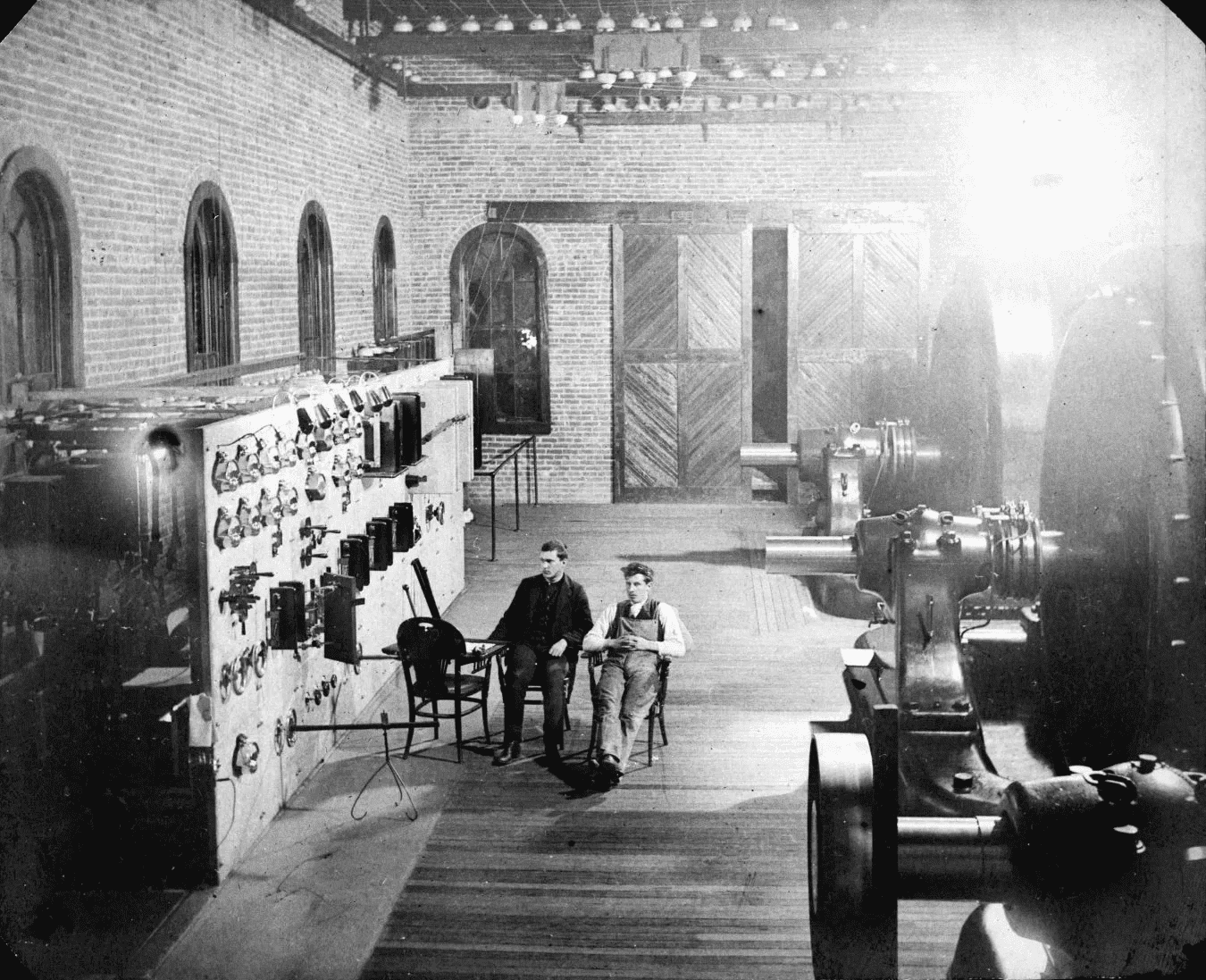
Initially, the two power stations were operated and maintained by a small community of workers living nearby. A school was built next to Power Station No. 1 for workers’ children, and food supplies were delivered weekly by boat.
In 1953, the power stations were automated, eliminating the need for on-site personnel.
Usage of the Hydroelectric Station
Power Station No. 2 was decommissioned in the 1950s. Its unique Gothic architecture made it a popular filming location, particularly for horror films. It has appeared in movies such as Roxanne, Lake Placid, Freddy vs. Jason, and the 1990 television miniseries adaptation of Stephen King’s It. In It, the villainous clown Pennywise spends much of his time in the sewers, and the old power station served as the perfect setting for his lair.
Power Station No. 1, which still contains some of its original equipment, remains the oldest operating hydroelectric station in British Columbia.