

Every country boasts unique features in its flora and fauna, as noted by vancouver-name. No matter the size or borders of a state, its natural environment always possesses distinct characteristics.
British Columbia, one of Canada’s most popular provinces, draws tourists with its remarkable history and traditions.
Equally fascinating is British Columbia’s wildlife, which amazes with its diversity. Among its creatures, raccoons hold a special and well-deserved place. These animals often coexist closely with local residents, adapting well to life near humans.
However, raccoons sometimes cause inconvenience. Known for being noisy and opportunistic, they often settle in unexpected places and indulge in food stolen from gardens or homes. This behavior, while troublesome, has led residents to find ways to coexist peacefully. After all, preserving nature and wildlife remains a top priority in Canada.
This article, referencing scitech.viu.ca, delves deeper into raccoons in British Columbia, exploring their habits, population, and interactions with humans.
Characteristics of Raccoons
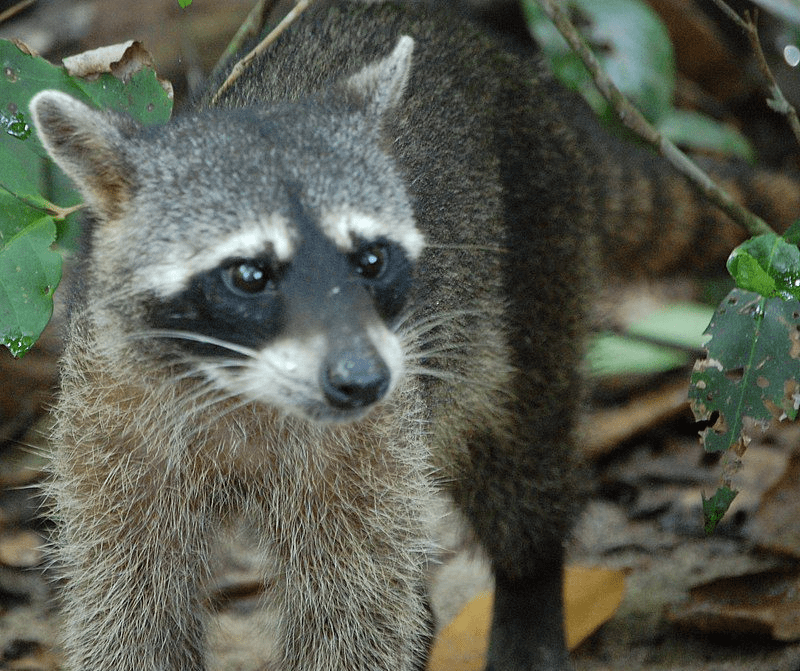
Raccoons are small mammals best recognized by their distinctive black facial mask, which gives them a “bandit-like” appearance.
Their fur resembles a bear’s coat, with grey tips on the hair. Other notable features include their fluffy tails and highly dexterous fingers, which raccoons use skillfully to manipulate various objects.
Declining Population
In British Columbia, raccoons are often found in Vancouver and Haida Gwaii.
Due to their low tolerance for cold and deep snow, Vancouver offers an ideal habitat for these animals. Outside the city, raccoons are frequently spotted near water bodies, where they forage for food.
Land-clearing activities in British Columbia have significantly reduced raccoon populations, particularly in areas where the animals rely on tree hollows for shelter.
Despite this, residents of British Columbia often discover raccoons nesting in sheds or on construction sites, where they adapt and create new habitats.
Interaction with Humans
Historically, Indigenous peoples in British Columbia used raccoons as a food source. Nighttime raccoon hunting later became a popular pastime.
Raccoon fat was valued for softening leather, though hunting primarily focused on their fur.
The 1950s and 1960s saw a surge in demand for raccoon fur hats, further increasing the significance of these animals in local culture.
In British Columbia, raccoons are most commonly found in Nanaimo. With a rapid reproduction rate, the population density reaches approximately 238 animals per square kilometer.
This high density often causes issues for local residents. Raccoons are notorious for rummaging through garbage at night and frequently raid farms growing corn, one of their favorite treats.
While these playful and persistent animals may create challenges, their undeniable charm continues to make them a unique and memorable part of British Columbia’s wildlife.