

Environmental protection is one of the primary objectives of modern nations, writes vancouver-name. Canada is among these countries, where the environment is highly valued, and citizens actively participate in conservation efforts.
Vancouver has taken this commitment even further by developing a unique concept that not only promotes environmental protection but also enhances urban living.
Urban planners, architects, and experts are well acquainted with the term “Vancouverism.” It represents a new way of life in the city, combined with environmental consciousness among its residents. To further develop and implement this concept, the city government initiates various projects and organizes relevant activities.
In this article, with reference to ekois.net, we will introduce our readers to “Vancouverism” and the eco-friendly lifestyle of Vancouver.
About “Vancouverism”
“Vancouverism” successfully integrates a deep respect for nature and ecology with vibrant and attractive urban streets. All of this coexists within the dynamic life of the city.
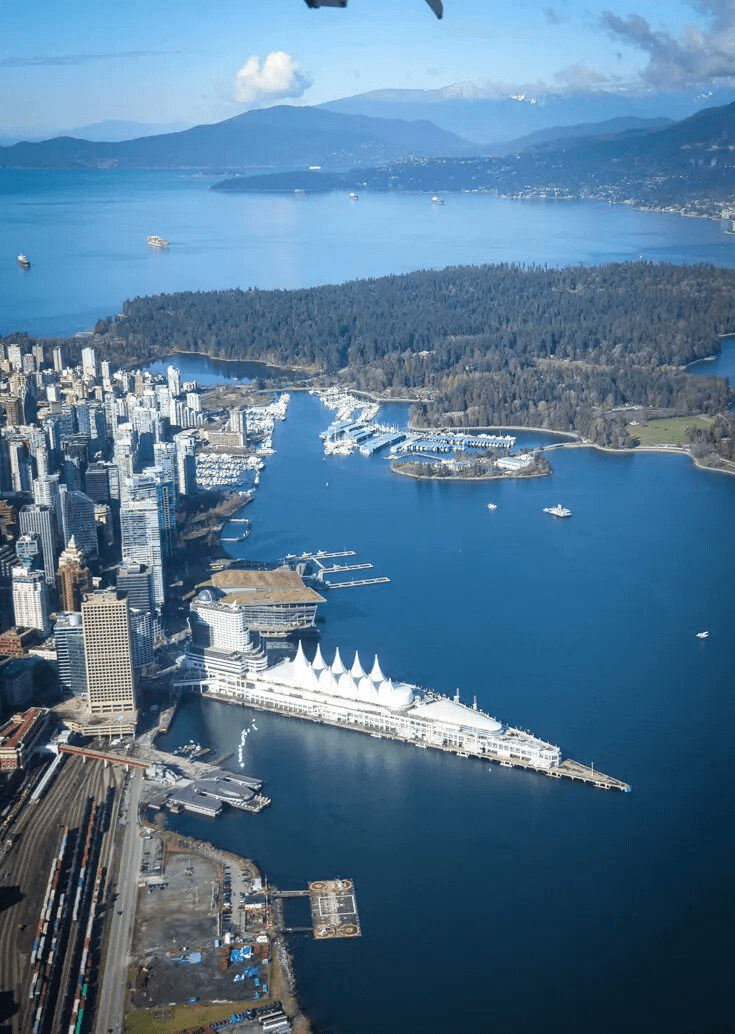
In Vancouver, skyscrapers stand amid spacious neighborhoods and low-rise buildings. “Vancouverism” is characterized by a combination of elements such as parks, pedestrian-friendly streets, public spaces, and sustainable urban mobility.
The Greenest City Action Plan
One of the most successful manifestations of “Vancouverism” is the Greenest City Action Plan. According to former Vancouver Mayor Gregor Robertson, when he first ran for office in 2008, his main focus was on transforming Vancouver into a “green” city. The development of a special plan began, involving the entire population—from residents to businesses and community organizations. Key priorities were identified, including water resources, food security, clean air, and green business initiatives.
Contributors to the Plan
Openness and inclusivity were essential factors in ensuring effective, long-term results.
According to Andrea Reimer, who served as Vancouver’s Deputy Mayor until 2018, the city’s “green” plan was developed with input from more than 35,000 residents and 180 organizations and institutions.
Ms. Reimer emphasized that thousands of people were responsible for implementing the plan, driven by a shared goal of fostering environmental awareness among the population and improving the city.
This collective effort led to numerous initiatives, including urban farms and technological innovations. Many of these ideas were eventually incorporated into the official plan.
Achievements
The projects and initiatives enabled Vancouver to reduce water consumption by 18% and decrease greenhouse gas emissions. Additionally, the number of “green” jobs increased by 19%, while the city’s mobility system prioritized bicycle infrastructure and public transportation.
Moreover, in 2020, Vancouver’s leadership approved the New Climate Plan.
As a result, Vancouver successfully cut carbon emissions by 50%, with plans to continue this trend until 2030.
The transportation sector and housing industry also faced the challenge of reducing emissions, as these areas contribute significantly to greenhouse gas pollution.