

Every country in the world boasts its unique and fascinating locations that attract tourists, writes vancouver-name. These places offer an unparalleled opportunity to delve into the culture, traditions, and even the natural wonders of a specific region.
Sites that encompass all these elements are often known as National Parks. These zones are steeped in breathtaking landscapes, history, and cultural significance, making them irresistible attractions for visitors eager to explore such parks.
Canada is no exception. This magnificent country is home to numerous parks that proudly hold the title of National Parks.
British Columbia, one of Canada’s most renowned provinces, is home to a diverse population, including many foreigners who have embraced its local culture and lifestyle. Apart from its unique traditions, this province is also famous for its National Parks.
In this article, with reference to pc.gc.ca, we will explore one of these parks. Its landscapes are awe-inspiring, and its creation story is equally intriguing. We invite our readers to immerse themselves in the incredible natural beauty and captivating history of one of Canada’s most scenic provinces.
The Origin of the Name
The name “Yoho” originates from the Cree language and translates to “awe” or “wonder.” This name perfectly captures the mesmerizing landscapes of the park, which feature massive icefields and towering mountain peaks. Notably, these peaks rank among the highest in Canada.
Land of Indigenous Peoples
The park is located on the traditional lands of the Secwepemc and Ktunaxa peoples. Before the park’s establishment, these Indigenous groups primarily used the area as a route across the Rocky Mountains to access bison hunting grounds.
How the Park Was Established
The creation of the park was initiated after Prime Minister John Macdonald visited the mountainous region following his journey along the Canadian Pacific Railway—Canada’s first transcontinental railway.
Upon returning to Ottawa on October 10, 1886, Macdonald began the process of establishing the park. Concurrently, Glacier National Park was also being developed. Interestingly, both parks soon attained national status, joining the ranks of the Rocky Mountains Park (later renamed Banff).
Climate of the Park
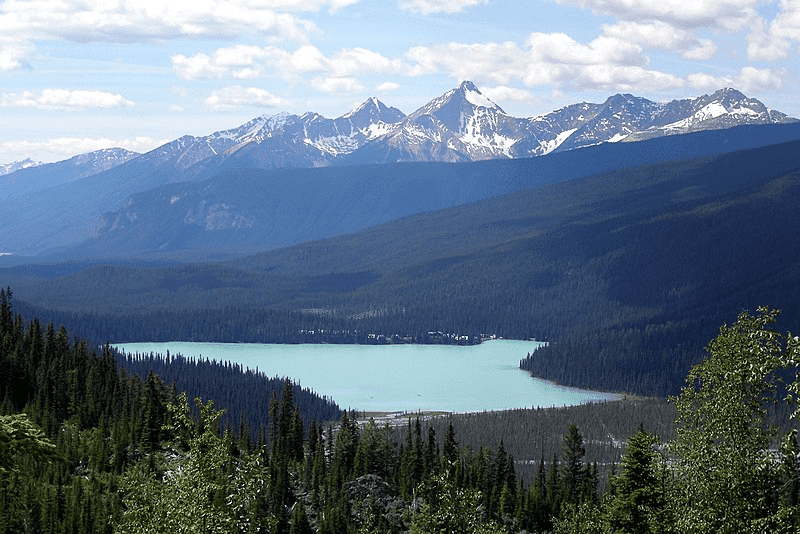
The climate in Yoho National Park is known for its variability due to its location on the western side of the continental divide, leading to frequent and heavy precipitation.
- Winter: Temperatures typically range from +5°C to -15°C, with the coldest period occurring between December and February, when temperatures can plummet to -35°C.
- Summer: Summers are generally warm, with average temperatures around +20°C, avoiding extreme heat. However, even during summer, areas of the park situated at elevations of 1,500 meters or higher may remain snow-covered, with sub-zero temperatures possible.
Yoho National Park’s breathtaking natural beauty and fascinating history make it one of the must-visit locations in British Columbia for both nature enthusiasts and history buffs.