

Vancouver is widely regarded as one of the cleanest, most beautiful, and greenest places in the world. It is no surprise, as the city is rich with parks, squares, and botanical gardens, one of which was established in the 19th century on the site of a golf course. Located in the heart of the city, VanDusen Botanical Garden quickly gained popularity among Vancouver’s other attractions. Next on vancouver-name.
History of Construction
VanDusen Botanical Garden was built on the grounds of a former golf course owned by the Canadian Pacific Railway. In 1970, the Vancouver Botanical Gardens Association, together with the Province of British Columbia and the municipal government, purchased a portion of the old golf course for the creation of a public garden. The initiative was supported by local forestry magnate Whitford Julian VanDusen, who contributed $1 million to the project.
Landscape design was overseen by Canadian gardener W.K. Livingston during the first four years, and later by Roy Forster, who managed the planting from 1977 to 1996. During this time, more than 12,000 trees, flowers, and shrubs of approximately 3,000 species were planted. For his dedicated work, Roy Forster was awarded the Order of Canada in 1999.
The botanical garden welcomed its first visitors on August 30, 1975. Entrance tickets were priced at one dollar for adults and 25 cents for students.
Plant Diversity in the Garden
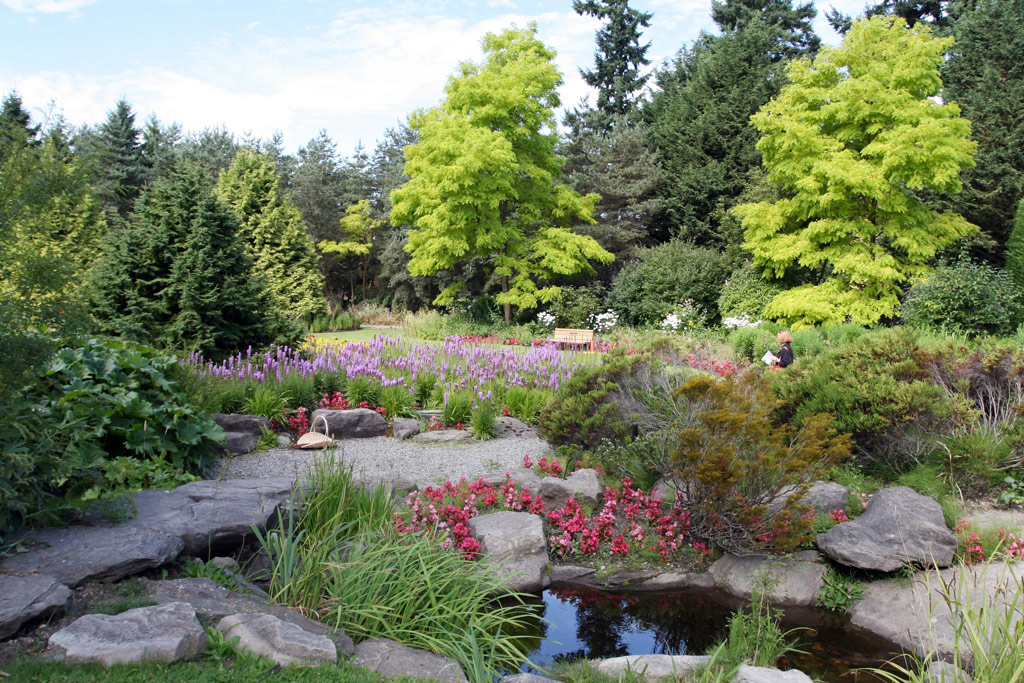
The garden spans 22 hectares, showcasing a wide variety of plants from around the world. A dedicated section features native plants from the Pacific Northwest Coast of British Columbia, aimed at preserving and propagating endangered species.
The garden is divided into several themed areas:
- Canadian Garden;
- Rose Garden;
- Sino-Himalayan Garden;
- Mediterranean Garden;
- Perennial Garden;
- Rock Garden;
- Reflection Garden;
- Northern Hemisphere Flora Garden.
Adding to the garden’s charm are stone sculptures scattered throughout the grounds. The largest of these were created by sculptors from various countries during the Vancouver International Stone Sculpture Symposium in 1975. Some sculptures were gifted to the garden, while others were specially commissioned.
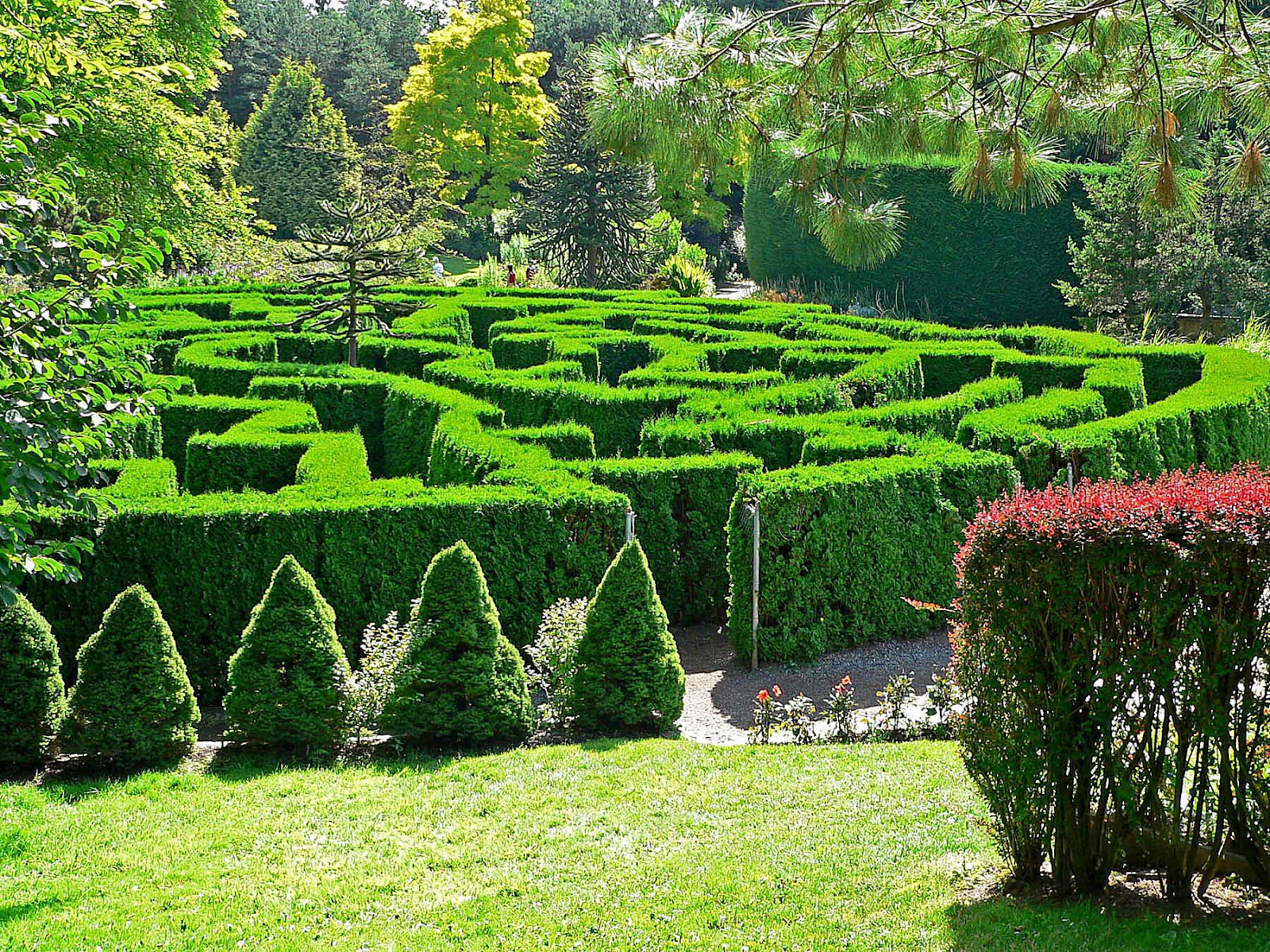
Another popular attraction is the green labyrinth, planted with cedars in 1981, a favorite spot for children. Those who prefer not to navigate the maze can view it from an observation platform.
The garden also features a network of lakes and streams, offering a refreshing retreat during the summer heat. Benches are placed along all pathways, allowing visitors to rest and continue their exploration at their leisure. The park’s creators ensured that the garden is accessible to all, including individuals with limited mobility.
Garden Maintenance
The garden is maintained by six full-time professional gardeners, supported by seasonal trainees during the summer. Additionally, around 900 volunteers assist with various tasks, including leading tours to share the garden’s history and plant details.
Volunteers also collect seeds from annual and perennial plants, process and sell them at the garden shop and online, manage the information desk, create self-guided tour brochures, and produce compost and manure for sale to local gardeners.
The garden hosts outdoor educational lectures, workshops, and masterclasses. In December, the staff transform the garden into a winter wonderland with the Festival of Lights, holiday markets, and events featuring festive characters.