

False Creek Bay is one of Vancouver’s most popular waterfront recreation areas. While the shoreline can be maintained with relative ease, the bay itself has long suffered from pollution caused by waste. Among the most significant concerns is plastic waste, particularly the tiny fragments known as microplastics. Fortunately, modern technologies now allow for the removal of waste, including these microscopic particles, from water bodies. More on the vancouver-name website.
How Plastic Pollutes the Environment
The issue with plastic waste lies in its inability to biodegrade fully; instead, it breaks down into smaller fragments over time. These fragments become microplastics—too small for the human eye to detect yet too significant to ignore due to their environmental impact. According to the International Union for Conservation of Nature, seven million tonnes of plastic enter the world’s oceans annually. In one study conducted on Pacific waters, microscopic plastic particles were found in every single water sample. Microplastics have also been detected in fish, squid, and shrimp.
In Vancouver and its surrounding areas, microplastics are present in surface waters, sediments, and wildlife. Research has even revealed that drinking water, despite undergoing filtration, contains plastic particles.
Approximately 30 billion pieces of plastic are released annually by wastewater treatment facilities, polluting nearby water bodies. In Vancouver, the most common form of microplastic is synthetic fibres, or plastic threads from clothing.
Vancouver’s Fight Against Water Pollution
One local company specializing in cleaning Vancouver’s waterways is Vancouver Plastic Cleanup.
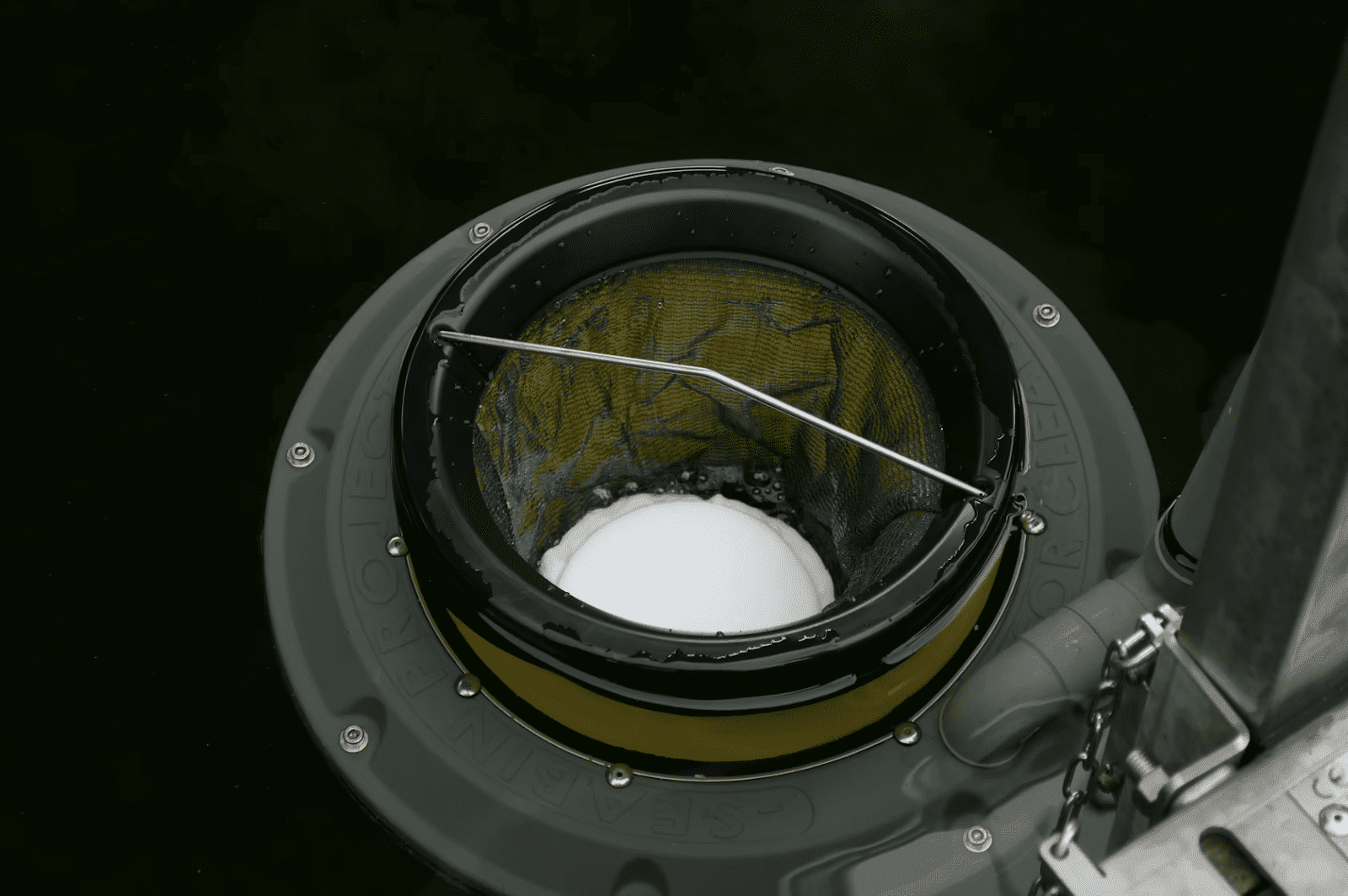
To address the problem of polluted water, the city began deploying skimmers, devices designed to extract water and trap debris from its surface layers. One such solution, Seabin technology, is employed by Vancouver Plastic Cleanup. In simple terms, Seabin functions like a trash can placed in the water, collecting plastic waste and preventing it from entering the ocean and, ultimately, the food chain.
In the summer of 2021, three waterborne containers were installed at docks on Granville Island, including the public dock, Sea Village Marina, and Maritime Market Marina Ltd. These locations were selected due to the significant concentration of floating waste in these areas.
It’s important to note that cleaners alone cannot entirely solve water pollution. A comprehensive approach is crucial, which includes reducing plastic production and consumption, as well as properly recycling plastic waste.
How the Cleaners Work
The Seabin devices collect floating waste such as macroplastics, microplastics as small as 2 mm, microfibres, hydrocarbons, and contaminated organic matter like seaweed. Through this process, the devices help clean False Creek Bay.
Seabin is mounted using metal brackets along the sides of the marina docks. Water is sucked in from the surface and passes through a catch bag inside the Seabin, powered by a submersible water pump with a capacity of 25,000 litres per hour. The water is then pumped back out, while the waste remains trapped in the catch bag. One container can collect approximately 4 kilograms of waste daily or 1.4 tonnes annually.
Recycling and Community Collaboration
The collected waste is analyzed, and whenever possible, plastics are directed toward recycling and reuse. The company also collaborates with local communities and businesses to prevent plastic from entering the environment and waterways in the first place. By doing so, they aim to protect Vancouver’s waters—not only for today but for future generations.