

Electric vehicles (EVs) are perfectly suited for city use. Unlike their gasoline or diesel counterparts, they seamlessly integrate into people’s daily routines without the associated inconvenience. While an EV can technically be charged from any available electrical outlet, this method takes significantly longer than simply filling up a tank with liquid fuel. Learn more at vancouver-name.
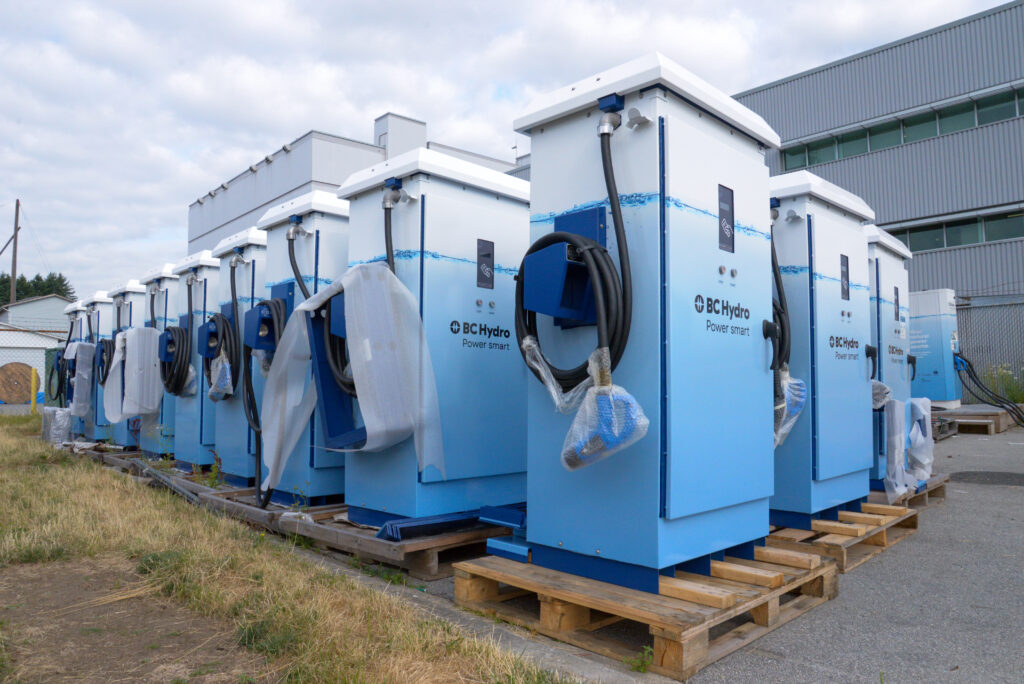
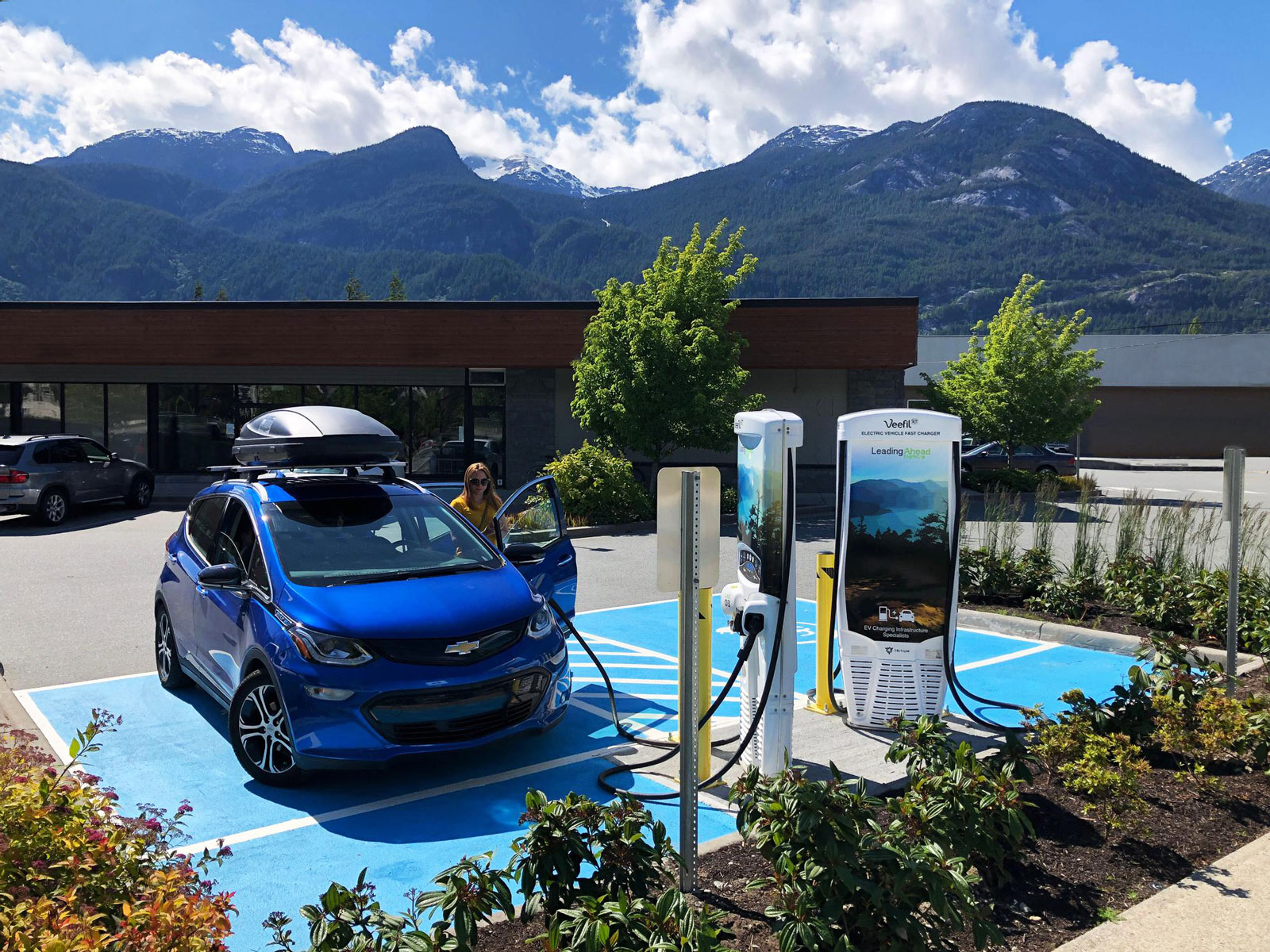
The beauty of EVs is the flexibility they offer: vehicles can charge overnight in a garage, in a parking spot at the workplace, or even while you run errands or stop for a morning coffee. In fact, covering a typical daily driving distance in Vancouver requires only about four hours of charging from a standard household outlet, one hour on a mid-range “Level 2” station, or a mere three to five minutes on a DC fast-charging station.
Expanding the Charging Network for a Greener City
To ensure widespread access to EV charging stations, Vancouver is taking a thoughtful approach by considering how and where its residents live, work, and spend their time. This involves analyzing housing types, local business distribution, the location of existing charging stations, and how long people typically dwell at shops, cafes, gyms, and other amenities. Integrating this infrastructure effectively requires a comprehensive strategy to make it convenient and efficient for Vancouverites.
Furthermore, EV charging stations are often integrated with car-sharing services and strategically placed to encourage people to walk, cycle, and utilize public transit more frequently. For instance, charging infrastructure is already being installed at Vancouver’s SkyTrain stations. By equipping these hubs with bike-share options, residents can leave their car charging while quickly transferring to another mode of transport to carry on with their day.
Ultimately, easy access to charging stations will motivate more Vancouver residents to make the switch to electric vehicles. This transition is a crucial step in helping the city become more environmentally friendly and reducing the use of transport that negatively impacts the environment.
Vancouver’s Core Challenge: Unpacking Traffic Congestion
Overpopulation and urbanization are two critical factors contributing to traffic congestion. The more people trying to get from one place to another simultaneously, the more time everyone spends stuck in traffic. In 2023, the average Vancouver driver spent 23 minutes and 10 seconds traveling just 10 km—an increase of 30 seconds compared to 2022. This figure is likely to climb as the global population is projected by the UN to reach 8.6 billion by 2030, a billion more than in 2023.
So, why is time spent in gridlock such a huge issue? Imagine this: if you commute during rush hour in Vancouver for an entire year, you’ll spend approximately 90 hours just sitting in traffic. Thousands of people in Vancouver—Canada’s eighth-largest city with a population of 662,248—become less productive simply because of the time wasted traveling to work, school, or other destinations. Naturally, this problem not only negatively impacts the city’s economic activity but also significantly affects the morale and well-being of students and workers. After all, who wants to face endless traffic jams after a long, exhausting day? Or, just as bad, when rushing to work?
The root cause of the congestion problem is that Vancouver’s roads and highways are essentially open to everyone. Since the city currently has no toll roads, excessive use leads to their deterioration—a phenomenon known as the “tragedy of the commons.” When everyone can use the roads without limitation, it inevitably results in traffic jams and inefficient resource management.
Solutions to Ease the Gridlock in Vancouver
Therefore, to reduce congestion, Vancouver’s roads need to become less accessible to everyone. This would ensure their rational use and mitigate overcrowding. While there is no one-size-fits-all solution for tackling this problem, one idea being floated is to either introduce tolls on key city roads or simply restrict access to them.
Another strategy actively discussed in Vancouver is the implementation of Intelligent Transportation Systems (ITS), which can optimize traffic flow using modern technologies like artificial intelligence and sensors. This is expected to reduce congestion and improve road safety. Another vital step is boosting public transit ridership. For example, offering free Wi-Fi on buses and SkyTrain stations, along with convenient loyalty programs, could make transit a much more appealing option. Incidentally, creating more “park-and-ride” facilities where people can leave their cars and switch to public transport will also help reduce the number of vehicles on the roads.
In 2023, Vancouver hosted the inaugural Decode Congestion Hackathon. Residents were encouraged to use new technologies to create optimal and effective solutions for the city’s transportation network.
The city outlined five key areas that participants focused on:
- Enhancing road safety;
- Improving the monitoring of traffic conditions and trends;
- Ensuring a smart and efficient transportation system;
- Coordinating street use;
- Prioritizing pedestrians and freight transport.