

British Columbia stands as one of Canada’s richest provinces, notes vancouver-name. This wealth extends beyond financial prosperity and advanced infrastructure to include breathtaking natural landscapes, flora, and fauna.
Moreover, this Canadian province is deeply intertwined with culture and the arts. Evidence of this connection is seen across the region, from the numerous cultural institutions, museums, galleries, and exhibition centres found in its bustling cities to the cultural significance infused in its islands. This presents a unique contrast, as islands are often associated with wilderness and untamed nature.
On British Columbia’s islands, archaeologists have uncovered invaluable artifacts revealing the past of these territories. These discoveries provide insight into the settlement and development of the islands and shed light on the Indigenous peoples who once inhabited them. Each nation brought its unique culture, traditions, and customs, creating a rich and distinct atmosphere.
Beyond cultural treasures, British Columbia is renowned for its healing hot springs. These natural wonders play a critical role in the province’s health and economy, drawing thousands of tourists annually.
One such gem is Harrison Hot Springs, a small village located on the southern shores of Harrison Lake. Part of the Fraser Valley Regional District and near Kent, this resort destination is celebrated for its natural hot springs. Visitors flock to experience their legendary healing properties, and those who try them often attest to their remarkable effects.
This article, based on information from harrisonhotsprings.ca, explores the history and development of this iconic village.
Early Beginnings
The history of Harrison Hot Springs as a resort village began in 1886. The opening of the railway that year brought the hot springs into close proximity to the transcontinental route, enabling easier access and laying the foundation for its growth as a destination.
An Accidental Discovery
Initially known as “The Wells,” the hot springs were discovered by a group of European travelers whose boat capsized while heading to the goldfields on Harrison Lake. To their surprise, the water was warm, not cold, marking the site as unique and remarkable.
Lack of Official Status
Despite its growing popularity as a resort destination with several hotels, the village lacked official status until 1949.
Main Attractions
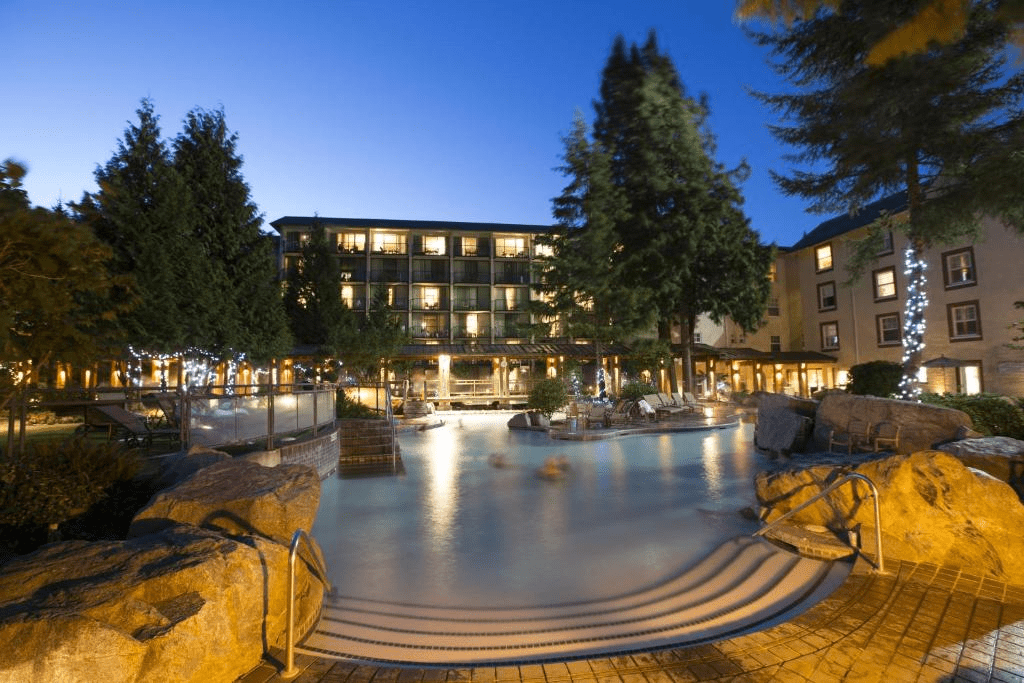
Harrison Hot Springs is best known for its eponymous hot springs, drawing large numbers of visitors who come to experience its rustic spa-like atmosphere.
Indigenous Utilization
The therapeutic benefits of the springs were first appreciated by the Indigenous peoples living near the Harrison River.
Two primary springs stand out:
- “Potash Spring”, with water temperatures reaching 40°C.
- “Sulfur Spring”, where the water is hotter, at 65°C.
Healing Properties
The hot springs are celebrated for their high mineral content, with concentrations surpassing those of other therapeutic springs in the region. This unique characteristic makes them highly sought after for their health benefits.
A Chain of Springs
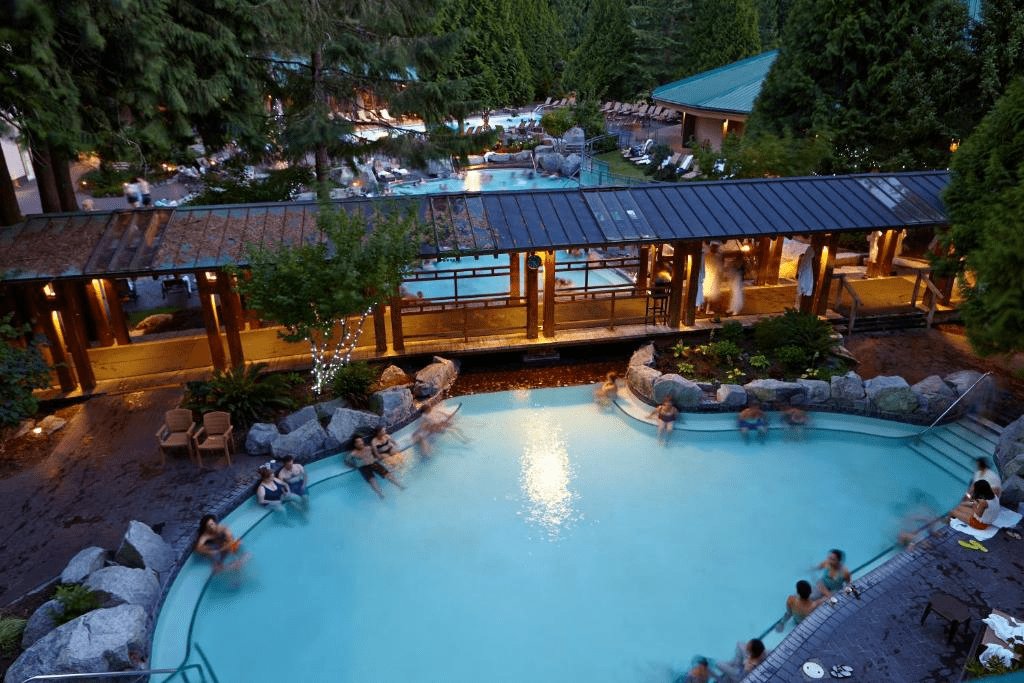
The Harrison Hot Springs are part of a network of springs located along the Lillooet River Valley and Harrison Lake. Notable among these are the springs at Meager Creek to the north and another prominent spring east of Whistler.
One notable feature of these hot springs is their high sulfur content, which diminishes as the springs move northward. Springs at Meager Creek, for example, lack the characteristic sulfur smell.
Concerns from Experts
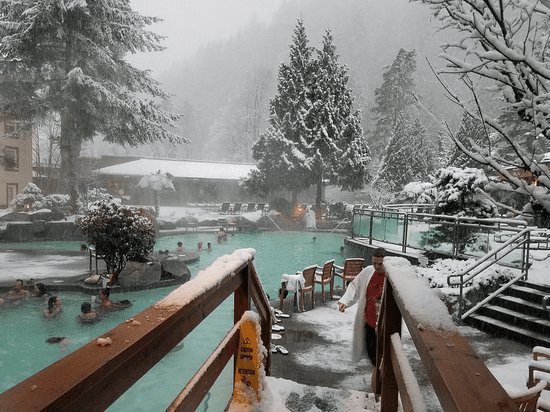
For years, geologists have warned about potential risks to the village. They cite the instability of Mount Breckenridge, a rock formation towering above the massive freshwater fjord of Harrison Lake. An avalanche of rock into the lake could generate a devastating wave capable of destroying the village.
Fortunately, these concerns have remained hypothetical and have not materialized.
Economic Contributions
The hot springs play a significant role in the local economy, serving as the primary attraction and source of revenue. Many residents are employed in service-oriented roles, while others work in retail, management, or construction.
Points of Interest
While the hot springs are the primary draw, Harrison Hot Springs offers additional attractions:
- Art Gallery: Featuring local artwork.
- Yacht Marina: Offering boating and water excursions.
- Golf Courses: A popular pastime for visitors.
In July, the village comes alive with festivals and celebrations, adding to its appeal as a vibrant tourist destination
Incorporation and Governance
Harrison Hot Springs was incorporated as a municipality in 1949, spearheaded by E. Naismith. The municipality is governed by a president and a four-member council.
The village is part of the Chilliwack electoral district, represented in Canada’s House of Commons, and lies within the Fraser Canyon region.
Conclusion
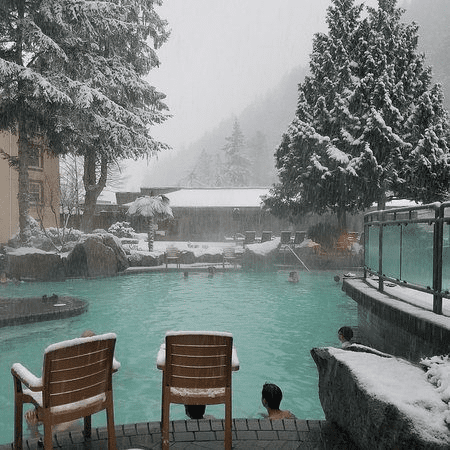
Harrison Hot Springs combines natural beauty, rich history, and renowned therapeutic waters, making it a standout destination in British Columbia. Its hot springs, festivals, and recreational opportunities continue to attract visitors seeking relaxation, rejuvenation, and a connection to the unique heritage of the region.