

Dr. Sun Yat-Sen is best known as a revolutionary political figure, often referred to as the “Father of the Nation” for his role in overthrowing the Qing dynasty during the Xinhai Revolution and serving as the founding president of the Republic of China in 1912. However, before his political career, Sun Yat-Sen practiced medicine.
During his lifetime, Dr. Sun Yat-Sen visited Vancouver three times, seeking refuge from the Qing government and fundraising for his revolutionary campaigns. In his honour, this classical Chinese garden was named after him. Learn more on vancouver-name.
Creation of the Garden
The garden is located in Vancouver’s Chinatown and divided into two parts. The public Sun Yat-Sen Park, open to all visitors for free, was built in 1983. The second part, the classical Chinese garden, requires an entrance fee and was constructed between 1985 and 1986. Funding for the project came from the Chinese and Canadian governments, the local Chinese community, and private foundations. Architects Joe Wai and Donald Vaughan oversaw the design of the exterior park, while Wang Zu-Xin, a prominent Chinese architect, designed the classical garden.
The garden was modeled on the famous Ming dynasty gardens of Suzhou, China. It became the first classical Chinese garden of its kind built outside of China.
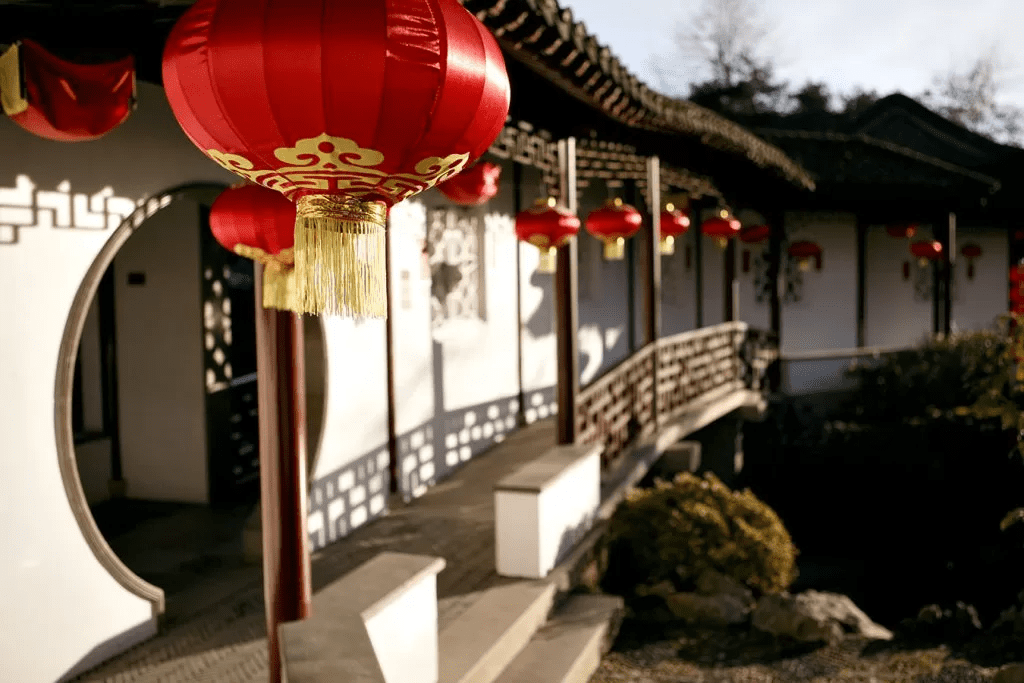
The Philosophy Behind the Chinese Garden
In Chinese culture, there are three main types of gardens: imperial gardens, monastery gardens, and scholars’ gardens. The Vancouver garden belongs to the latter category. Scholars’ gardens are characterized by high walls that isolate visitors from the outside world, creating a serene environment conducive to contemplation and philosophical reflection.
These gardens were typically small and located near scholars’ residences. They were designed with meandering pathways and hedges to obscure the view, encouraging slow walks and detailed observation of the surroundings. This design was also believed to ward off evil spirits.
Every element in the garden was carefully chosen to contribute to the overall harmony. The five key components—architecture, rocks, plants, calligraphy, and water—work together to represent Daoist principles of yin and yang. For instance, the white walls of buildings contrast with their black tiled roofs, and the flexibility of bamboo contrasts with the solidity of stone.
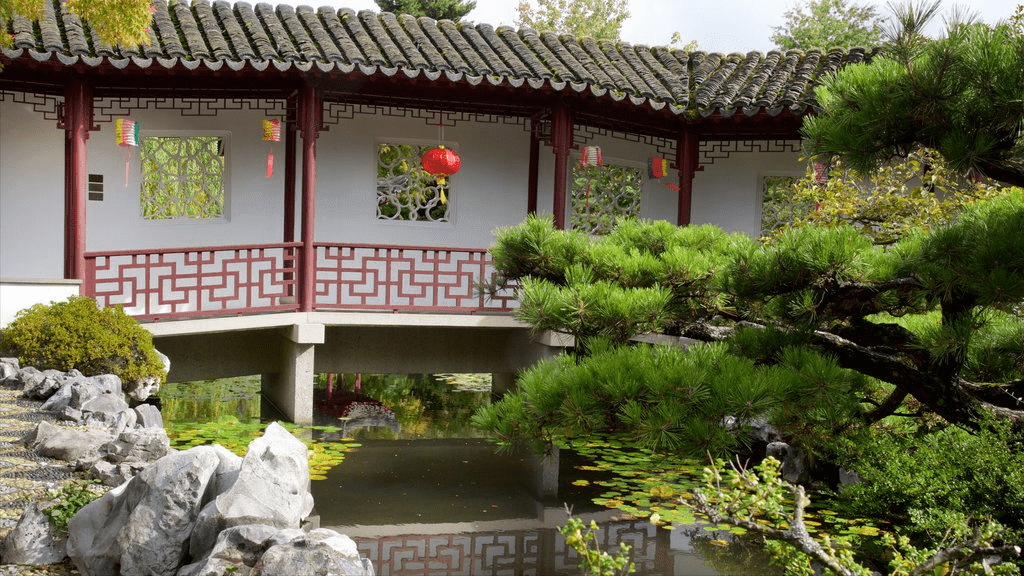
The architecture of the garden reflects Ming dynasty styles, including courtyards, pavilions, corridors, and bridges. The walls and floors are adorned with motifs of plants and animals, such as bats, dragons, and phoenixes.
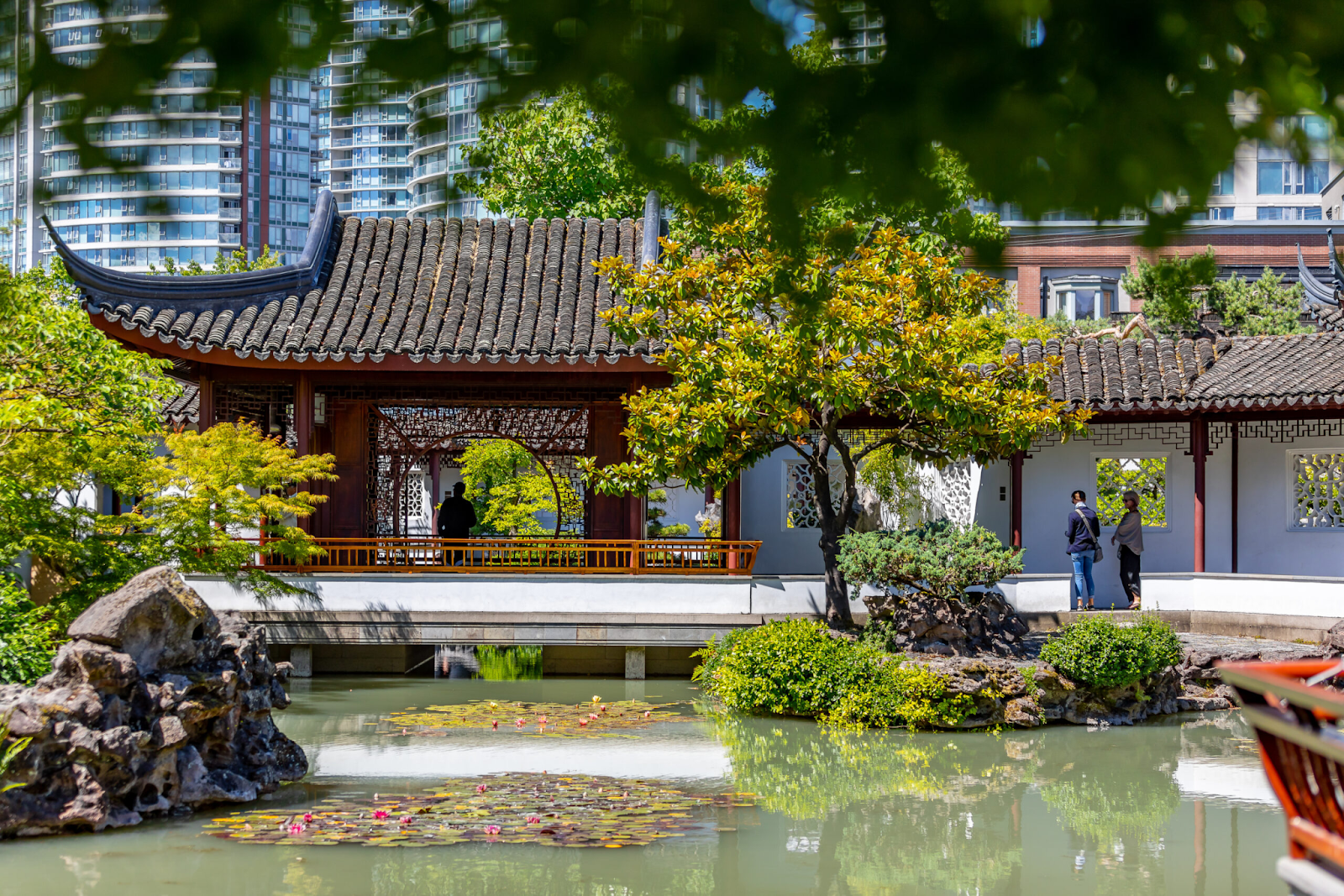
Rocks, symbolizing stability and masculinity (yang), lend the landscape a restrained, solemn character. For this garden, stones were imported from Taihu Lake in Suzhou.
Water represents the feminine (yin) and symbolizes the flow of life. The lake in the garden is deliberately opaque, achieved with a clay lining to create reflections of the surrounding landscape, enhancing the sense of tranquility.
Unlike Western-style gardens dominated by lush greenery, the plants in this Chinese garden serve as accents. Each is carefully selected for its symbolic meaning. Winter-blooming plum trees represent renewal, bamboo symbolizes resilience and adaptability, ginkgo trees signify China, and maple trees represent Canada.
Calligraphy completes the garden’s design. Four styles of Chinese script are used throughout, and each pavilion bears a poetic name, such as “The Study of Four Seasons” or “The Hall of a Hundred Rivers.” The main hall features an inscription that reads, “A magnificent garden built in Vancouver to honour the achievements of past generations.”
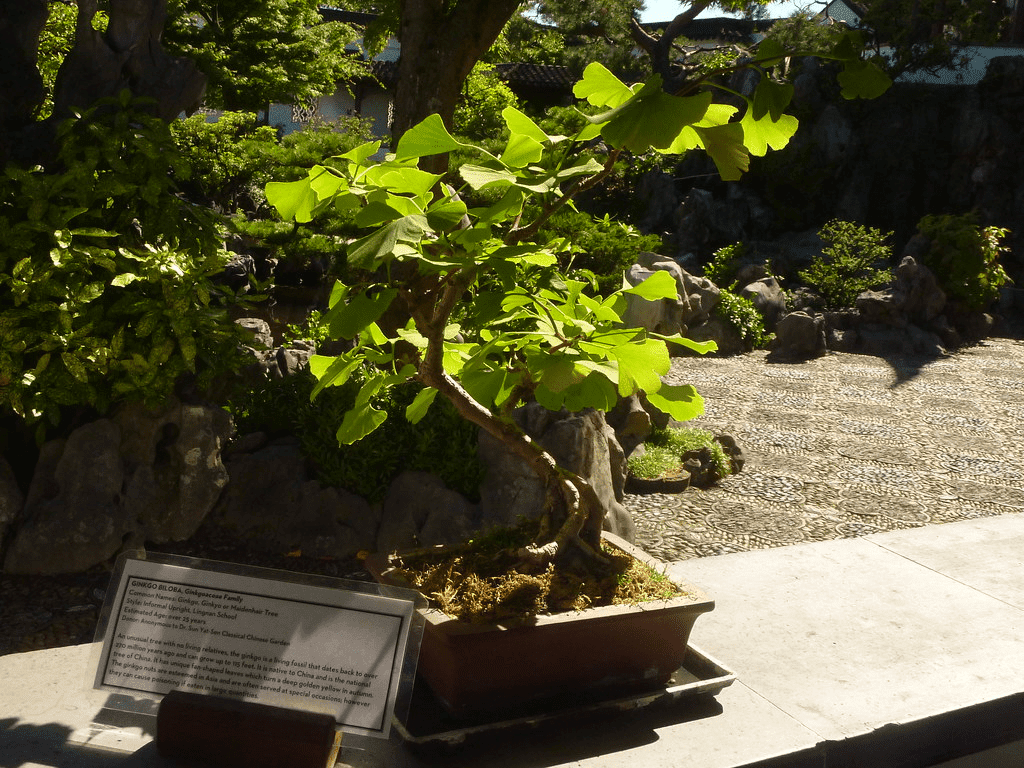
Dr. Sun Yat-Sen Classical Chinese Garden offers visitors a serene retreat and an opportunity to explore the harmonious interplay of nature, culture, and philosophy. It stands as a testament to Vancouver’s multicultural heritage and its ties to Chinese history.