

It is no secret that British Columbia is one of the most picturesque provinces in Canada, writes vancouver-name. This region captivates visitors with its stunning flora and fauna and features numerous developed settlements among Canada’s most advanced. These factors attract tourists who enjoy spending their vacations in this beautiful location. Many visitors eventually decide to stay permanently, as the opportunities available in British Columbia allow individuals to fully realize their potential and achieve significant success, regardless of their chosen field—be it business, culture, economy, tourism, or science.
Speaking of British Columbia’s geography, the province is home to several islands, each with its unique infrastructure, vibrant population, and distinct culture. Among these, Salt Spring Island stands out as one of the largest, most densely populated, and most visited islands in the Southern Gulf. In this article, based on information from britishcolumbia.com, we delve into the fascinating history and characteristics of this remarkable island.
Early Settlers
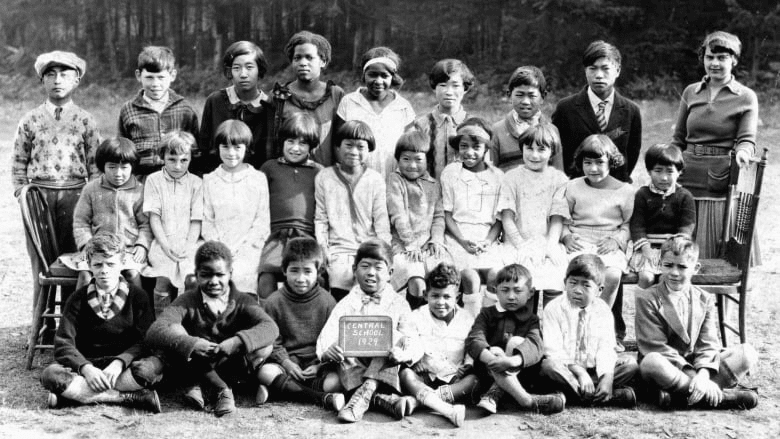
Initially, the island was home to various Salishan peoples before being settled by immigrant pioneers. During this period, the island was called Admiral Island.
Salt Spring Island was the first area in the Gulf Islands to be settled by humans and became one of the earliest agricultural communities within the Vancouver Island colony. It was also the first regional location where settlers were allowed to purchase land under pre-emption rights.
In 1910, the island was officially renamed Salt Spring, a tribute to the salt springs discovered in its northern region.
Name Changes
Interestingly, the island has undergone several name changes. In 1854, it was referred to as Chuan, and by 1855, it was named Salt Spring Island due to its natural salt springs. In 1859, the island was officially renamed Admiral Island in honour of Rear Admiral Robert Baynes.
Despite the official designation, locals continued to use the name Salt Spring, as confirmed by the Geological Survey of Canada. According to records, the official renaming to Salt Spring Island occurred on March 1, 1910, though unofficial sources often cite 1905. Over time, both names were used interchangeably by locals.
Settlement Development
Initially inhabited by various Salishan tribes, the island became a refuge for African Americans escaping racial discrimination in the United States. In 1858, they left their home state after discriminatory legislation targeted Black residents. Families began to settle on the island, finding a haven for new beginnings.
Mifflin Gibbs, a prominent figure in the African-American community, visited the colony and spoke with Governor James Douglas, who assured him that Canada offered fair treatment to African-Americans and had abolished slavery over two decades earlier.
Independent Settlement
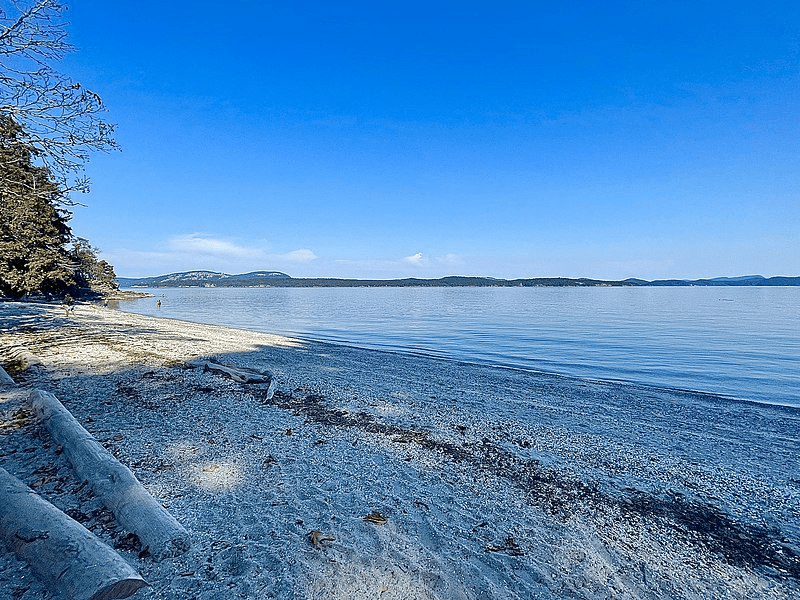
Despite being a refuge, local Indigenous communities opposed the settlement of Black pioneers. Nevertheless, Salt Spring became the first Gulf Island settled by non-Indigenous residents.
According to the Victorian Missionary of 1988, it became the first agricultural settlement not owned by the Hudson’s Bay Company or its subsidiary, the Puget Sound Agricultural Company.
Land Acquisition
Salt Spring was the first colonial island where settlers could purchase land under pre-emption rights. Settlers could occupy and improve the land before purchasing it at the price of $1 per acre. This arrangement remained until 1871, with most properties on Salt Spring purchased this way.
Between 1871 and 1881, this method continued to be the primary way to acquire land on the island.
Guarantee of Use
Early residents included African Americans, Hawaiians, and settlers from Britain, including English, Irish, and Scottish individuals. When acquiring land, settlers had to provide guarantees that the land would be used for agricultural purposes.
Common Activities
In Ruth Sandwell’s book, she notes that early settlers primarily engaged in subsistence farming to grow food for their own needs. Other activities included fishing, logging, and working with the colonial government.
Over time, some settlers left due to the absence of public services or challenging conditions, such as the weather, which caused significant livestock losses in 1862.
Forced Evictions
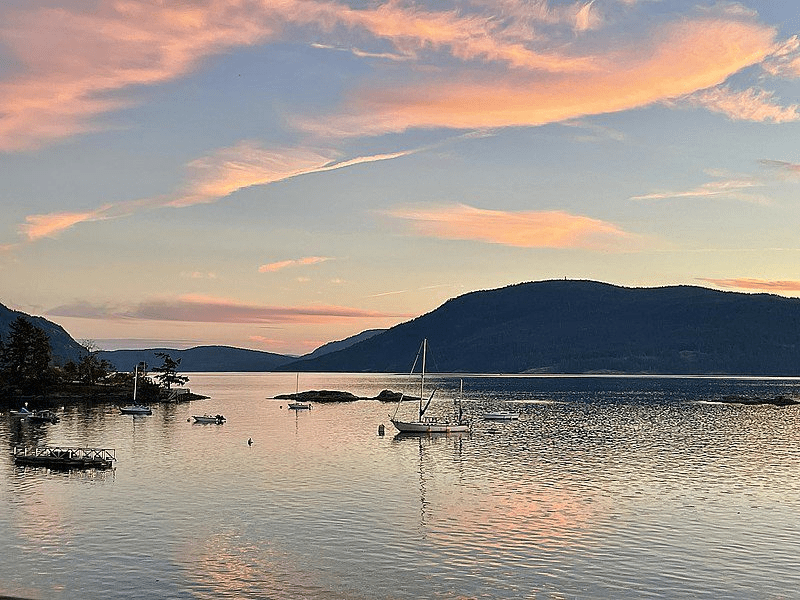
During World War II, Japanese Canadians living on the island were forcibly relocated. Gavin Mouat was appointed as custodian of their abandoned properties, selling them at prices well below market value. His company eventually acquired some of these properties. Only one Japanese family was able to repurchase property and return to the island.
A New Status
By the 1960s, Salt Spring Island became a political refuge for American citizens avoiding the Vietnam War draft.
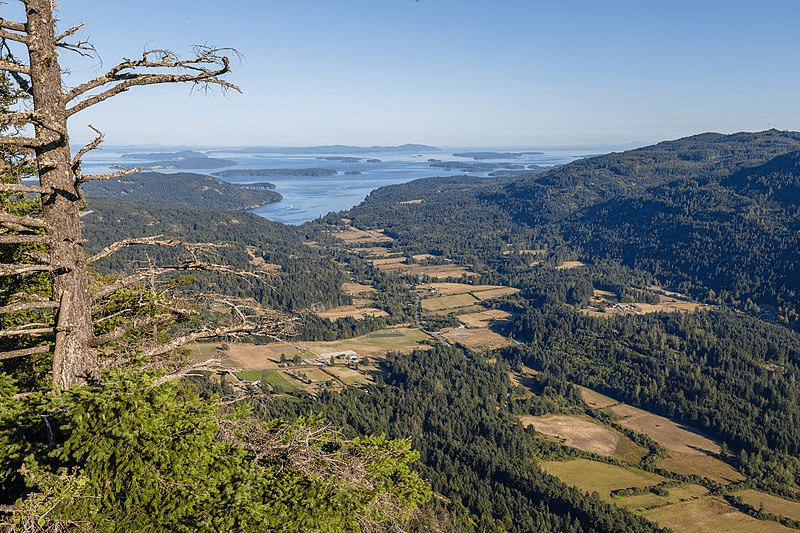
Today, Salt Spring is the most famous and densely populated island in the Gulf Islands. Its largest settlement is the village of Ganges.
In addition to accepting Canadian dollars, local businesses and banks also use the island’s unique currency.
Salt Spring Island is part of the Southern Gulf Islands within the Capital Regional District. The highest point on the island is Bruce Peak, which rises 700 metres above sea level.