

Vancouver is known not only for its stunning landscapes but also for its relentless pursuit of eco-friendly development. The city leads in green initiatives and projects spearheaded by local communities. Let’s take a closer look at some remarkable eco-developments and urban initiatives. Read more on vancouver-name.
Green Roofs
Over the past decade, regular research in Vancouver has focused on enhancing and preserving environmental sustainability. This effort has clearly paid off, as seen in the implementation of an impressive eco-project called Rooftop Greening. Inspired by the city’s constant rainfall, this innovative idea utilizes large, impermeable rooftop spaces, turning them into functional green areas. These rooftops go beyond aesthetic value, offering viable solutions to mitigate urbanization’s harmful effects while providing numerous ecological, economic, social, and health benefits for residents.
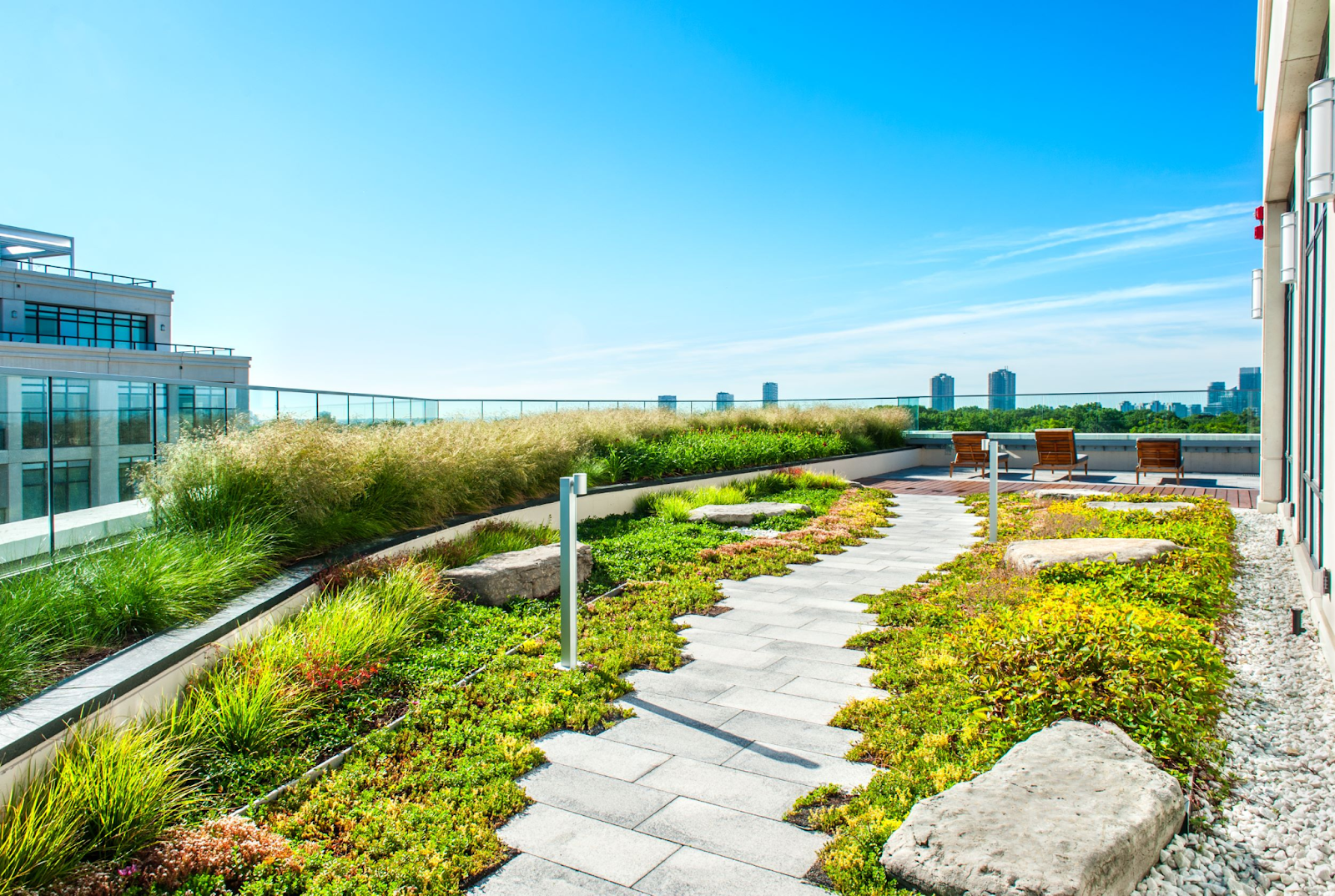
Green roofs are a standout attraction, drawing both tourists and locals alike. However, like any innovation, challenges arise—leaks, for instance.
Vancouver addresses these issues through improved planning, advanced technologies, and interdisciplinary collaboration. This effort is crucial because frequent urban flooding poses risks to human safety, damages the environment, and disrupts natural landscapes. To counter these challenges, the city focuses on creating green urban hubs to mitigate urbanization’s adverse effects, promote sustainability, and enhance the quality of life.
Seymour-Capilano Filtration Plant
The Seymour-Capilano Filtration Plant processes the majority of Vancouver’s water supply. Drinking water comes from the Capilano, Seymour, and Coquitlam reservoirs, managed by Metro Vancouver. These reservoirs are closed to the public to prevent contamination.
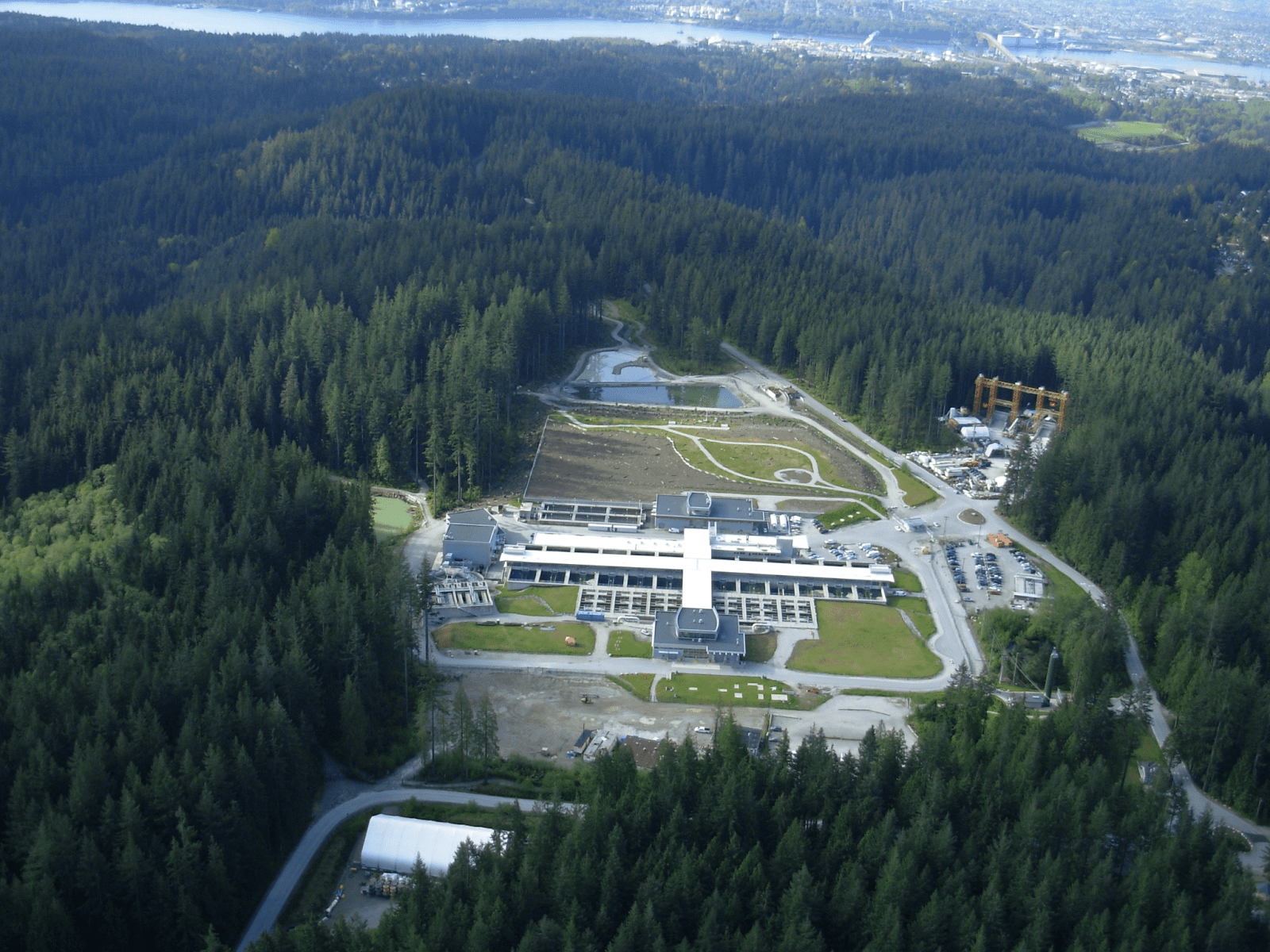
Located in the Lower Seymour Conservation Reserve, the filtration plant purifies water from these reservoirs. This advanced system reduces turbidity and eliminates microorganisms such as Giardia and Cryptosporidium, which can cause diseases. Additionally, it decreases the amount of chlorine needed for disinfection. With less chlorine and organic material in the water, the levels of disinfection by-products are significantly reduced. Residents appreciate this eco-innovation for improving the taste, colour, and smell of the city’s water.
Extensive Bike Lanes
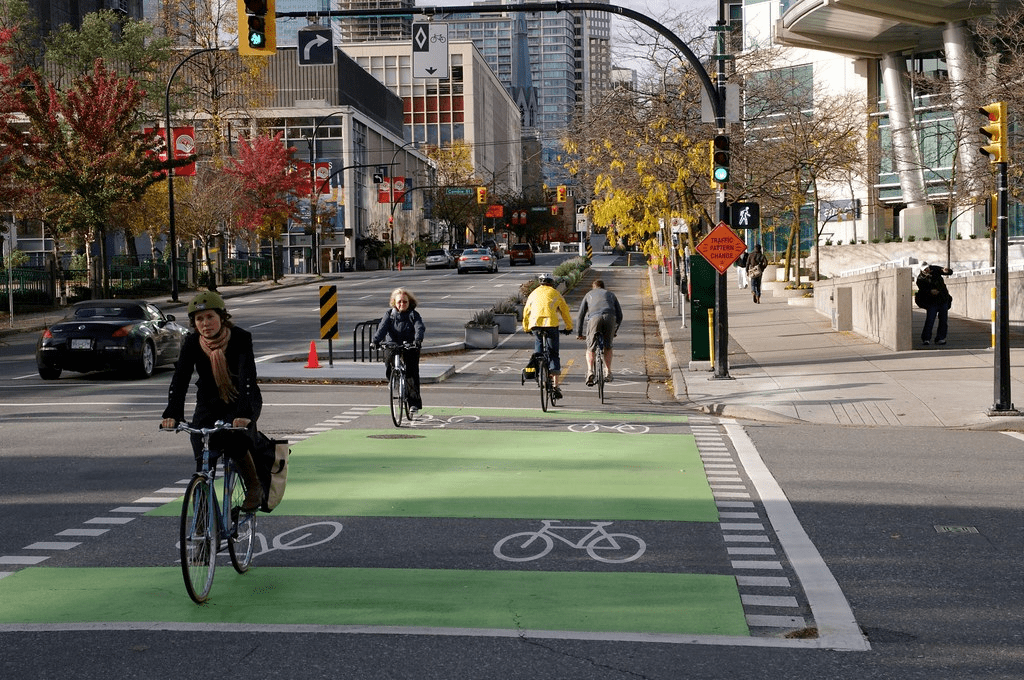
Bicycles are among the most sustainable and eco-friendly modes of transportation. Cycling promotes health, doesn’t pollute the air like cars, and provides an affordable alternative for commuting. However, encouraging more people to cycle requires investments in infrastructure and design to ensure safety and convenience for cyclists. Vancouver has implemented several ideas to achieve this goal:
- Bike Lanes: Dedicated bike lanes provide a safe space for cyclists and reduce the risk of accidents. These lanes are often separated from vehicle traffic by physical barriers or clear markings.
- Bike Parking: Reliable and accessible bike parking is crucial for encouraging Vancouver residents to use bicycles for commuting. The city offers numerous parking options, particularly in busy areas like transit hubs, shopping centres, and public parks. These facilities often include bike racks, storage lockers, and even covered shelters.
- Bike Sharing Programs: Bike-sharing programs allow people to rent bicycles for short durations, making cycling accessible to everyone. These programs include docked and dockless systems. Docked systems require users to pick up and return bikes at designated stations, while dockless systems let users park bikes anywhere within a defined area.
- Traffic Calming Measures: These measures aim to reduce vehicle speed and traffic intensity, making streets safer for cyclists. Initiatives such as speed bumps, chicanes, roundabouts, and traffic circles ensure that residents feel confident and safe while cycling.
Vancouver’s dedication to sustainability through these initiatives demonstrates its commitment to creating a livable and environmentally conscious urban space, setting a global example in eco-development.
100% Renewable Energy: Vancouver’s Bold Vision
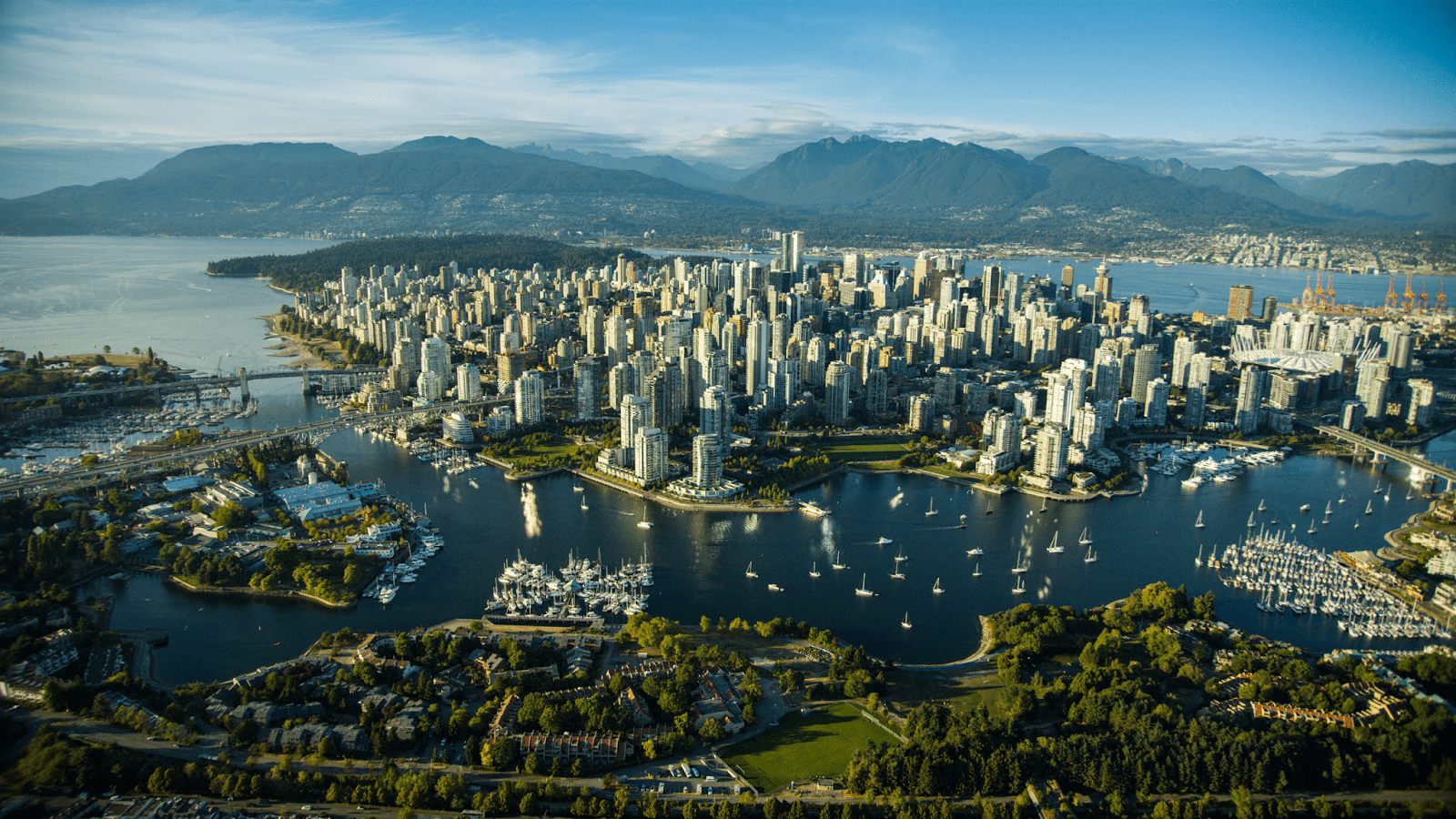
Building on its history of proactive climate action and its vision to become the world’s greenest city by 2020, Vancouver has set an ambitious goal: to source 100% of its energy from renewable sources by 2050. In 2015, the city recorded greenhouse gas emissions of 2.8 million tonnes of CO2, one of the lowest per capita in North America. At the time of adopting its Renewable Energy Strategy, 31% of the city’s energy for buildings and transportation came from renewable sources, with 90% of its electricity generated by hydropower.
Vancouver’s renewable energy strategy is built on three key approaches to achieve its 100% renewable energy goal:
- Reduce Energy Consumption
Policies focus on improving energy efficiency through stricter building insulation requirements and enhanced transportation, pedestrian, and cycling networks. - Increase the Use of Renewable Energy
Support initiatives like the adoption of electric vehicles and expanding the use of neighbourhood energy systems. - Expand Renewable Energy Supply
Scale up renewable energy sources such as rooftop solar power and biofuels for transportation.
Implementation Plan
In 2017, Vancouver introduced a Renewable City Action Plan, a 10-year roadmap featuring 77 actions aimed at addressing emissions from buildings, transportation, and waste. These initiatives are already underway, including:
- Enhancing Building Energy Efficiency
Vancouver has established leading policies, regulations, and green building standards to improve energy efficiency, solidifying its position as a leader in sustainable construction practices. - Investing in Active Transportation Infrastructure
Investments in pedestrian, cycling, and public transit infrastructure have resulted in over 50% of all trips being made on foot, by bicycle, or using public transit. - Expanding EV Charging Networks
The city has significantly increased the availability of charging stations at homes, workplaces, and transit hubs to support the growing number of residents considering electric vehicles. - Developing Low-Carbon District Energy Systems
Vancouver is creating and expanding low-carbon district energy networks to serve additional neighbourhoods, reducing dependency on non-renewable energy sources.
By prioritizing energy efficiency, supporting the adoption of renewable technologies, and investing in sustainable infrastructure, Vancouver is setting a global example in its journey toward a fully renewable energy future.