

In Vancouver, electricity and natural gas are supplied by two regulated companies: BC Hydro and FortisBC. BC Hydro is the leading electricity producer in British Columbia, while FortisBC is the sole supplier of natural gas in the city. More details on vancouver-name.
Where Does Natural Gas Come From?
Let’s delve into the fascinating world of energy sources. Coal, oil, and natural gas originate from the remains of plants and animals. Imagine this: for millions of years, organic matter compresses under layers of sand and rock, creating a sort of energy “alchemy.” In this process, algae and zooplankton play a key role, as they settle on ocean floors and serve as the base materials for what we call fossil fuels.
Over time, these organic layers become deeply buried, reaching temperatures of 120˚C. This heat breaks carbon bonds, releasing primary gas. Oil, if left to “age” under these conditions for additional millennia, can transform into secondary natural gas.
The depths of fossil deposits hold vast, untapped energy potential. These reserves can yield natural gas instead of conventional oil due to the activity of microorganisms like methanogens, which convert organic material into gas. These microbes thrive in low-oxygen environments, from Arctic permafrost to the digestive tracts of animals like cows. The resulting biogenic gas often escapes into the atmosphere, though its commercial extraction is rare.
Gas deposits are found in both conventional reservoirs beneath sandstone layers and unconventional sources near oil deposits. While traditional extraction methods yield relatively small amounts, modern technology is improving recovery rates.
Drilling in Vancouver: Canadian Geological Survey Evaluation
Limited drilling with no commercial success has been conducted in the onshore regions of the Georgia Basin, including Vancouver Island’s eastern shore and the Fraser Valley. Of 56 wells drilled since 2000, only 16 reached depths exceeding 1,000 meters, leaving much of the basin’s potential unexplored.
A recent Canadian Geological Survey assessment estimates approximately 185 billion m³ of natural gas exist in three conceptual formations within the Georgia Basin. Geochemical data suggest limited oil potential. Vancouver Island alone holds about 1.1 trillion cubic feet of coal-bed methane (CBG). In 2002, the first well targeting CBG was drilled in the Comox area, with several other proponents exploring similar programs.
History of Electricity and Natural Gas in Vancouver
Before Vancouver was officially incorporated in 1886, European explorers visited the area as early as the 16th century. However, permanent settlement began in the 1860s when loggers discovered vast forests. The first sawmills appeared in 1863. By the time Vancouver became a city and the first railway line opened in 1886, energy demand was impossible to ignore.
In April 1886, the Vancouver Electric Illuminating Company was granted a charter. Unfortunately, a fire destroyed much of the city shortly after. Following reconstruction, a new company with the same name was chartered to install and power a street lighting system, which began operation in August 1887. By the end of that year, streetlights on Prior and Main Streets were powered by natural gas.
Electricity use quickly expanded beyond public lighting. In February 1888, Vancouver News-Advertiser became the first newspaper in Canada to be printed using electricity. However, Vancouver’s rapid growth was temporarily hindered by Canada’s economic depression in the early 1890s. The Vancouver Electric Railway and Light Company, founded during this period, went bankrupt due to over-expansion and a significant slowdown in population growth. Despite attempts to sell its assets to the city, the company ultimately failed.
Modernization and Hydroelectric Power
Despite these early setbacks, Vancouver entered the modern era with the establishment of the Electric Company in 1897. Serving markets in Vancouver and Victoria, the company produced and sold electricity and natural gas, also powering railway systems.
In 1903, the Lake Buntzen No. 1 generating station was commissioned, providing hydroelectric power for Vancouver’s lighting and transportation infrastructure. The station’s capacity quickly doubled to meet skyrocketing demand. Though modernized in 1951, this hydroelectric station remains operational today, serving as both a power source and a tourist attraction. Its Gothic architecture has even been featured in several horror films.
After more than a century of development, Vancouver’s electric infrastructure has evolved significantly. However, the station’s 60 MW capacity represents less than 0.5% of British Columbia’s total energy production, showcasing the city’s reliance on broader provincial energy networks.
Offshore Basins
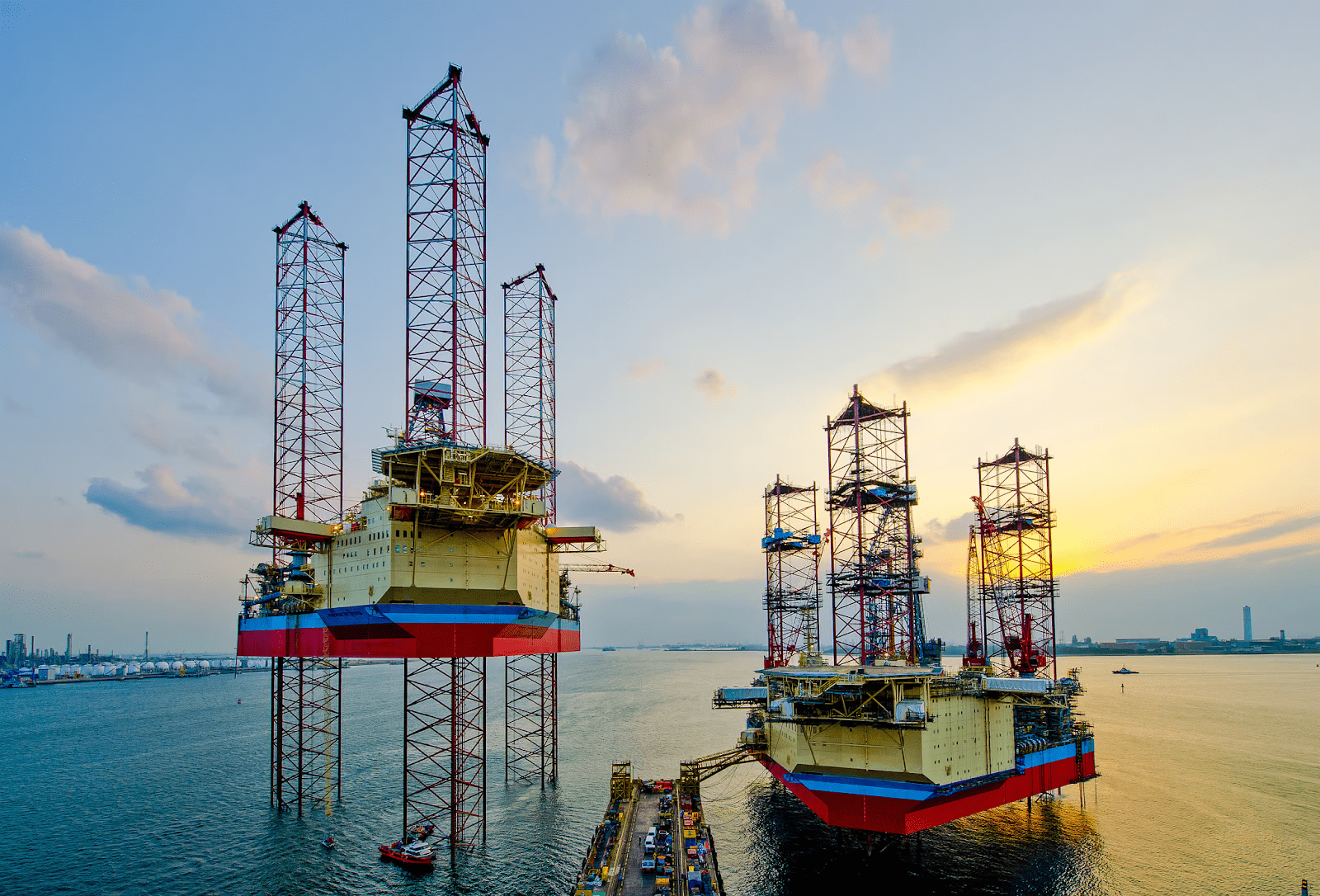
Offshore regions of British Columbia have been closed to drilling since 1972, following the introduction of moratoria by both provincial and federal governments. Currently, the province is re-evaluating these moratoria, commissioning a scientific research team to investigate whether oil and gas resources on the continental shelf can be extracted in a scientifically sound and environmentally responsible manner.
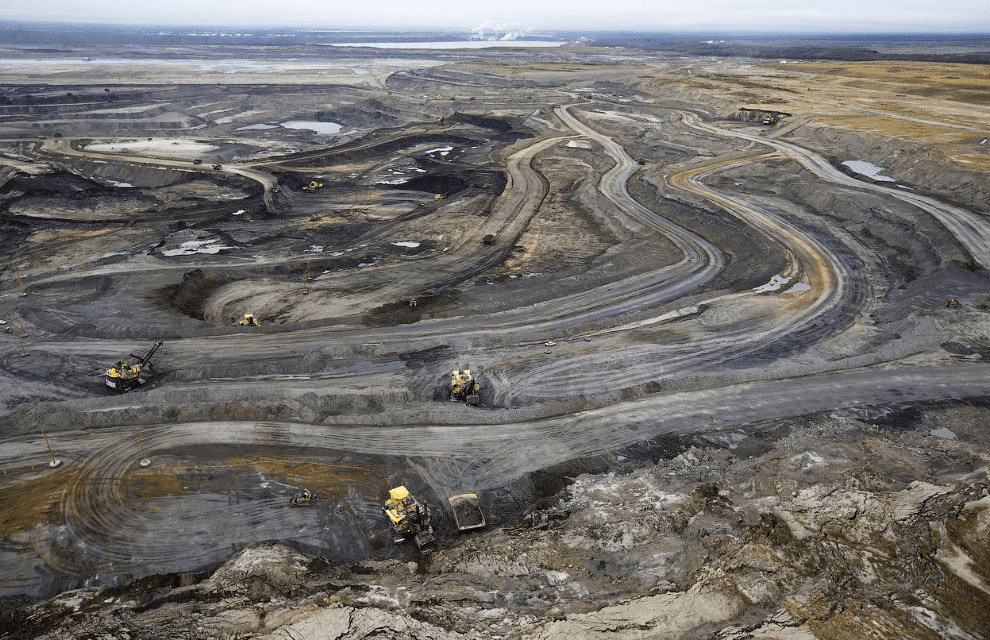
Several thousand kilometres of marine seismic surveys have been recorded, and fourteen offshore wells were drilled by 1968, all without commercial success. Onshore, some exploratory work was conducted on Graham Island, where ten wells were drilled between 1913 and 1984, also without commercial success. In 1988, the Geological Survey of Canada documented over 1,000 kilometres of marine seismic studies.
A resource assessment conducted by the Geological Survey of Canada estimated the current reserves of oil and gas in the Queen Charlotte Basin to be 1,560 million m³ (9.8 billion barrels) of oil and 734 billion m³ of gas across six conceptual play types. The Tofino Assessment Area combines the Winona and Tofino Basins. The potential for both basins is estimated at 266 billion m³ of gas in situ within one identified play type.