

Vancouver is a city where environmental preservation is a top priority, reports vancouver-name. Numerous initiatives, projects, discussions, and conferences are organized to raise eco-awareness among its residents.
As one of Canada’s most densely populated metropolises, air pollution is a pressing issue for Vancouver. This article, referencing breathelife2030.org, explores the steps this remarkable Canadian city is taking to maintain air quality.
The Impact of Wood Smoke
Vancouver, despite its status as the “greenest city,” faces air pollution challenges.
One of the main causes stems from wildfires, a recurring issue in the region.
In addition to this, fine particulate matter enters the air due to human activities. This includes large-scale celebratory fireworks and the burning of wood by residents.
Wood smoke significantly contributes to harmful fine particulate pollution in the air.
Experts in Vancouver assert that fine particulate matter is predominantly generated by wood smoke, making it one of the most toxic pollutants in the region.
Moreover, during the COVID-19 pandemic, Vancouver scientists demonstrated that air pollution from wood smoke increased susceptibility to respiratory viral infections among the population.
As a result, in May 2021, Vancouver authorities implemented restrictions on wood burning.
Development of New Regulations
Subsequently, the federal government and the province of British Columbia decided to tighten air quality standards.
New, stricter regulations were developed, implemented through specific plans targeting key emission sectors.
Key Objectives
Each plan was crafted following six months of engagement with the public, stakeholders, and other government bodies.
These interactions led to the establishment of key objectives:
- Reducing regional emissions of greenhouse gases.
- Improving air quality to meet government-defined standards.
- Increasing the duration of periods when air quality is deemed excellent.
The plans addressed general pollutants and greenhouse gases, as these are the primary sources of emissions. Key contributors include gasoline engines, gas furnaces, and industrial production.
Focus Areas
Government air quality programs formed the foundation of each plan. The new rules targeted the following problem areas:
- Residential buildings;
- Transportation;
- Industry and commerce;
- Waste management;
- Agriculture;
- Nature and ecosystems;
- Measurement, monitoring, and regulation.
Additional Measures
In addition to these plans, Vancouver introduced measures aimed at detailed monitoring of major roadways.
Specialists are actively developing new technologies and sensors to enable more effective air quality monitoring.
A Collaborative Effort
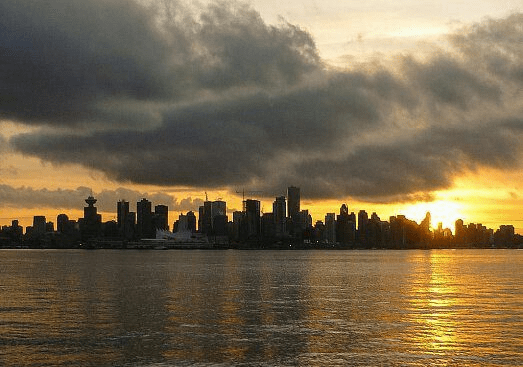
Vancouver is making significant strides in improving air quality within the city and the region.
Through productive collaboration among residents, government bodies, and scientists, these efforts are yielding tangible results. The outcomes are not only successful but also palpable to the local population, demonstrating the city’s commitment to cleaner air.