

The climate crisis is undoubtedly the defining challenge of our era, and it’s not just an issue for Vancouver. While many nations are already feeling the heat, there’s still a window of opportunity to drastically cut carbon emissions and prevent catastrophic further warming. More details available on vancouver-name.
Why Climate Action is Essential
In 2019, recognizing the urgent threat, Vancouver declared a climate emergency, joining thousands of other cities worldwide. Responding to this critical call offers a major chance to unite efforts in creating healthier, cleaner, safer, and more resilient communities. Furthermore, it’s a prime opportunity for Vancouver to set an example by implementing bold, transformative changes in the fight against climate threats.
Scientists from the UN’s Intergovernmental Panel on Climate Change (IPCC) have warned that global warming must be limited to 1.5°C to avoid the most catastrophic climate impacts. However, the world is currently on track for a 3–4°C rise by the end of the century, meaning the time for decisive action is running perilously short. On top of that, cities are responsible for over 60% of global emissions from fossil fuel combustion—especially those in the Northern Hemisphere—but they are also strategically positioned to lead the transition to renewable energy sources.
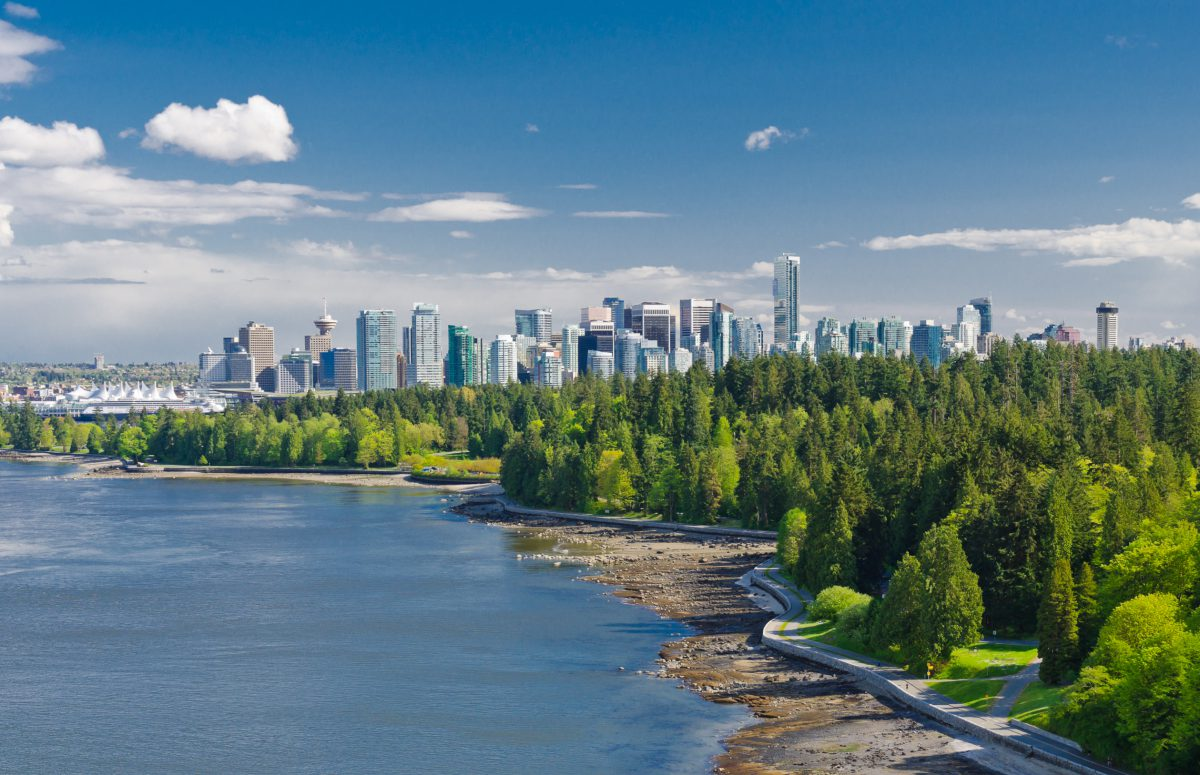
Vancouver’s Climate Action Strategy
Vancouver developed the Climate Emergency Action Plan (CEAP) with the goal of achieving the necessary reduction in the city’s carbon emissions. The document outlines concrete measures in areas where the municipal government can definitely make a difference:
- Land use planning;
- Transportation;
- Buildings;
- Infrastructure;
- Improving and protecting natural systems.
This plan calls for transformational changes, partnerships, and bold climate policies that support shifts in individual behaviour. Key measures outlined in the strategy include:
- Green Building: Using renewable materials and energy-efficient technologies;
- Modernizing Existing Buildings: Installing heat pumps and other cooling systems;
- Expanding Renewable Energy Sources: Transitioning to clean energy to reduce reliance on fossil fuels;
- Improving Transportation Infrastructure: Encouraging the use of bicycles and electric vehicles (EVs);
- Expanding Green Space: Creating new parks and green areas to improve air quality, reduce the urban heat island effect, and increase flood resilience.
Overall, the strategy notes that tackling climate change requires a series of coordinated and interconnected actions to reduce greenhouse gas (GHG) emissions, the primary driver of climate change. It also requires proactive steps to prepare for the inevitable consequences the region will face due to current global temperature trends. These impacts include extreme heat and storms, increased drought and wildfire risks, smoke pollution, the spread of invasive species, flooding, and sea-level rise. To guide and inform climate action and decision-making, the region has developed the Climate Action Strategy. This plan provides a clear path to achieve a 45% reduction in GHG emissions below 2010 levels by 2030 and net-zero emissions by 2050. The strategy is designed to boost energy efficiency and resource management across communities, help minimize economic losses due to climate change, and enhance public health and well-being.
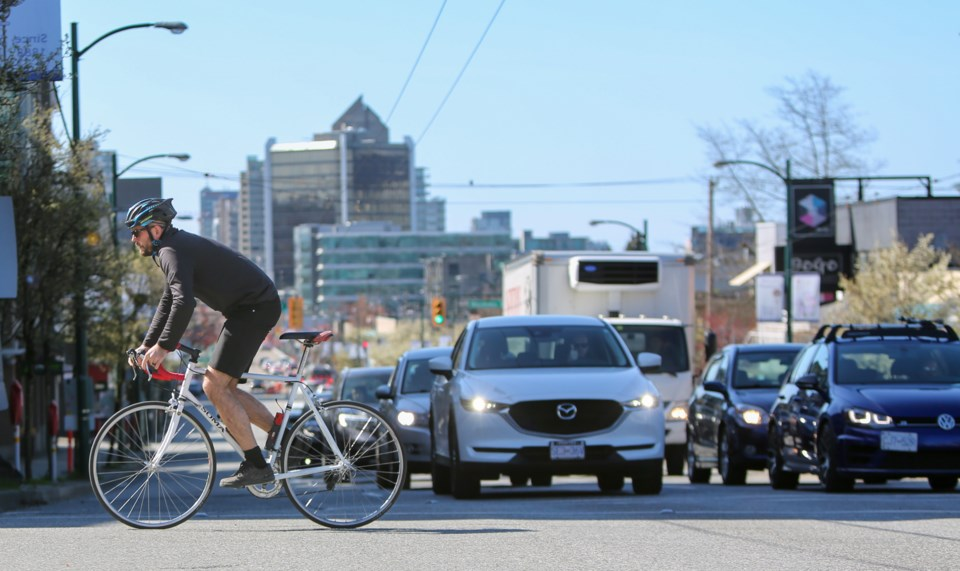
To mitigate and adapt to the realities of climate change, Vancouver is actively working with residents to change their mindsets and actions toward more sustainable practices in areas like housing, transportation, land use, and waste reduction.
A Look at Vancouver’s Climate Diversity
In Vancouver, summers are short, comfortable, and partly cloudy, while winters are long, very cold, and rainy. Throughout the year, temperatures typically fluctuate between 1°C and 23°C, rarely dropping below -4°C or rising above 27°C. According to tourism ratings, the best time to visit Vancouver for warm-weather outdoor activities is from mid-July to the end of August. The warm season lasts 2.9 months, from June 15 to September 11, with the average daily maximum temperature exceeding 20°C. July is the hottest month of the year in Vancouver, with an average high of 22°C and a low of 14°C.
The cold season spans 3.7 months, from November 13 to March 5, with an average daily maximum temperature below 9°C. December is the coldest month of the year in Vancouver, featuring an average minimum temperature of 2°C and a maximum of 6°C. The likelihood of rainy days changes throughout the year.
The wet season lasts for 6.4 months, from October 9 to April 22, with a probability of more than 35% that any given day will be rainy. November is the month with the most rainy days in Vancouver. The dry season is 5.6 months long, from April 22 to October 9, with August having the fewest rainy days. Rainy days are further broken down into those with rain only, snow only, or a mix of both. November has the highest number of days with precipitation, and the most common form of precipitation year-round is rain. The snowy period lasts 2.4 months, from December 2 to February 14. The snow-free period is 9.6 months, from February 14 to December 2.
In conclusion, the climate crisis presents Vancouver, and the world at large, with profound challenges. However, the city is demonstrating that even under these realities, decisive and effective action is possible. The developed Climate Action Strategy not only promotes sustainable development but also positions Vancouver as a role model for other communities. This fight is a chance to build a healthier, safer, and more resilient future for a community ready to unify its efforts for global well-being.