

Environmental protection is one of the most pressing issues of our time, writes vancouver-name. Many countries around the world are seriously considering developing their own concepts and projects aimed at preserving the environment. Politicians and environmental experts are joining forces to ensure proper safety for the natural world amidst the continuous growth and development of society. Some cities have introduced programs focused on ecological protection, involving numerous individuals who recognize the importance and necessity of preserving the environment.
It is fair to say that one of the most effective tools for ecological preservation is environmental mapping. Such maps help plan cities and their buildings in an environmentally sound manner to ensure that the constant expansion and growth of urban areas do not harm the natural surroundings. Even the simple placement of buildings and other infrastructure can directly affect the environment—not to mention the emissions, smog, and waste that are commonplace in any modern city.
Let’s return to the topic of environmental maps and their importance. These projects are truly significant and effective. However, one can only fully understand their impact by delving deeper into the subject of ecological mapping.
In this article, referencing ecodensity, we aim to explain how environmental mapping works in Vancouver. This city is one of the most environmentally friendly in the world and actively supports initiatives to protect and preserve the environment.
About Vancouver’s Environmental Map
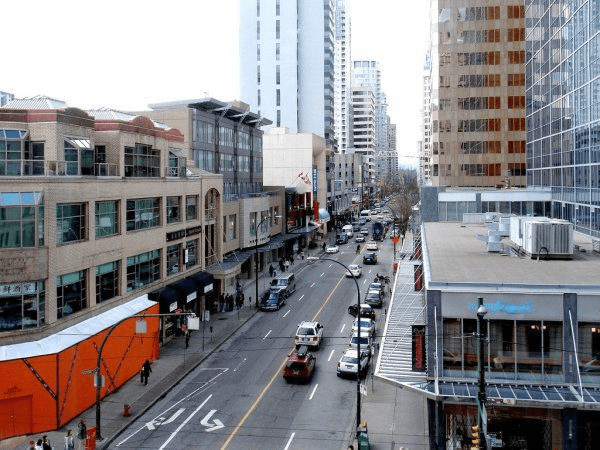
EcoDensity is an initiative launched by Vancouver in 2006, supported by the World Urban Forum. This project was an unprecedented attempt to plan and respond to the decentralization of urban land use.
As catalysts for factors such as livability, affordability, and environmental sustainability, the initiative utilized:
- Design;
- Population density;
- Land use.
The primary goal of the program was to reduce car usage, develop efficient land use, improve the green energy system, and build a sustainable community.
According to Vancouver’s developers, densely populated urban areas that utilize existing infrastructure, public transit, and community amenities are key to creating a more sustainable and livable city.
Thus, EcoDensity was designed to increase Vancouver’s density, effectively restructure neighbourhoods, condense urban frameworks, and expand affordable housing.
Etymology of EcoDensity
Understanding the etymology of EcoDensity reveals its focus on economy and ecology. In urban planning, density refers to compact development, which is particularly relevant considering Vancouver’s constant growth.
Urban Context
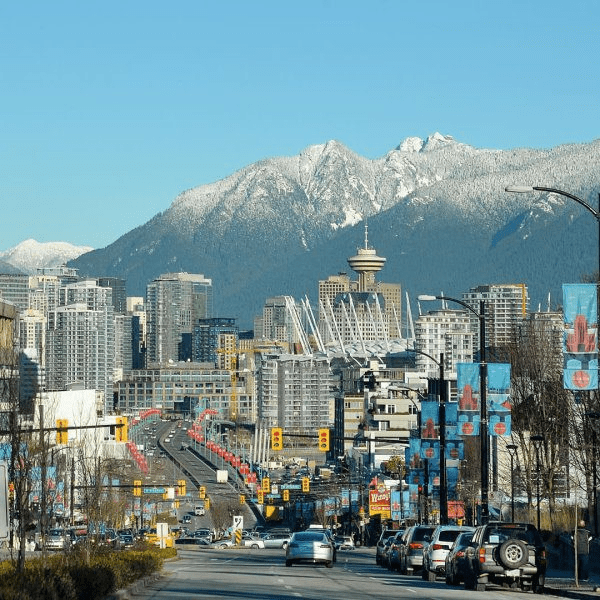
Located on Canada’s west coast, Vancouver is the region’s largest city, with a steadily increasing population. Alongside its highly condensed downtown core, the city required effective land use strategies for its less densely populated suburban areas.
Urban development in Vancouver began in the 19th century, significantly driven by the advent of automobiles, which advanced the city’s infrastructure. This urban sprawl resulted in small single-family homes dominating the suburbs, while central Vancouver became densely populated.
In the 1990s, Vancouver gained global recognition as an environmentally conscious city. The term “Vancouverism” emerged, signifying a lifestyle that emphasizes deep respect for the environment. This approach is characterized by environmental awareness and successful urban planning.
EcoDensity aims to ensure greater housing accessibility and diversity by strategically promoting density, sustainability, affordability, and livability. Part of this identity stems from the city’s natural surroundings, including coastal mountains and the Georgia Strait, which foster strong ecological awareness and protection.
Since the 1960s, Vancouver has achieved significant environmental milestones through community spirit, civic activism, and traditional planning culture.
Impact of Environmental Density
The main objective of EcoDensity was to increase density in Vancouver’s low- to medium-density areas, particularly along major roads and highways. By creating well-designed, multi-functional, attractive neighbourhoods, the program sought to stimulate active transportation and foster more sustainable communities.
Dense urban areas in Vancouver typically do not require substantial infrastructural investment. Moreover, by increasing housing supply, property prices could potentially decrease, making housing more affordable. EcoDensity also aimed to ensure sustainable growth and improved livability.
Challenges Faced by EcoDensity
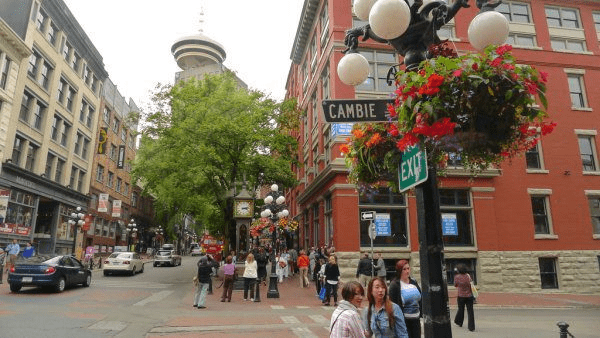
It’s worth noting that the EcoDensity project faced a period of unpopularity. Political leadership remained committed to sustainability principles, using environmental density as a label for various programs. However, traditional planning culture was transformed into what critics saw as a hegemonic strategy, associated with terms like “green overpopulation,” “greenwashing,” and “uncomfortable density.”
EcoDensity policies were not initially designed to provide affordable housing or curb rising property prices. This misalignment led to a lack of trust in the authorities, as poor management and planning hindered Vancouver’s development compared to neighbouring municipalities.
The neglect of community concerns and ideological approaches resulted in environmental density being viewed as a cautionary concept to avoid.
Results of EcoDensity
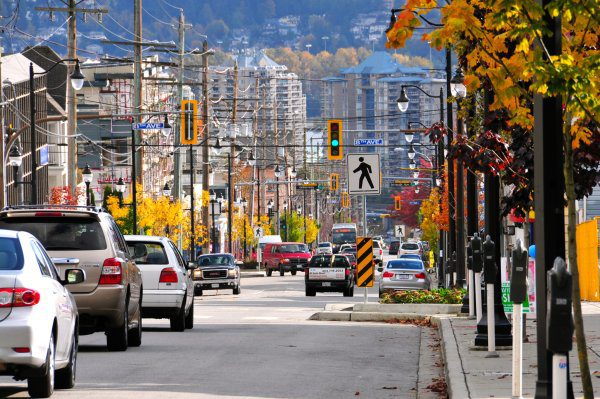
EcoDensity successfully integrated key elements—density, design, and land use—into Vancouver’s urban planning. This effort helped decentralize urban land use. By intensifying existing neighbourhoods, the project promoted sustainable urban forms, significantly increasing population density through eco-friendly methods.
Thanks to ecological densification, Vancouver has enhanced its urban sustainability. EcoDensity has contributed to building numerous homes and alleyways, increasing population density along the Canada Line, demonstrating the initiative’s positive impact.