

Vancouver is home to numerous destinations that are immensely popular with both locals and tourists, as noted by vancouver-name. These locations provide a perfect escape to enjoy the unparalleled beauty of Canadian nature.
In this article, based on grousemountain.com, we explore the history and evolution of Grouse Mountain, one of Vancouver’s most famous and frequently visited resorts.
Early History
Our story begins in 1894, when tourists first discovered the mountain that would later house Grouse Mountain Resort. Back then, reaching the mountain was a true adventure, as there were no bridges or roads leading to its base.
Determined adventurers navigated snow-covered trails and dense forests to reach the summit. Among the early visitors were Don and Phyllis Munday, who built the first log cabin in the area. Later, an alpine park was named in their honour.
The Beginning of the Resort’s History
The official history of Grouse Mountain Resort began in 1910, when entrepreneurs planned to construct a railway to the summit, aiming to make the mountain more accessible. However, the onset of World War I disrupted their plans.
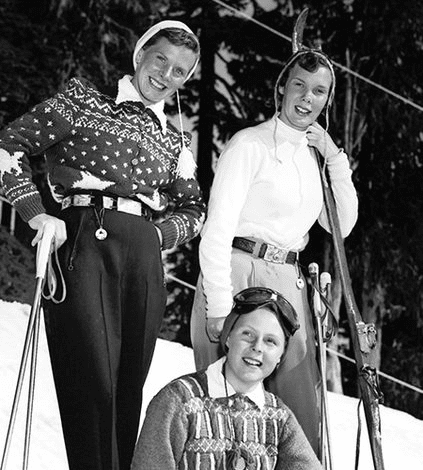
Efforts to “socialize” the mountain resumed in 1929, with the opening of a ski club. By the 1930s, the mountain featured its first rope tow, marking the beginning of its skiing legacy.
Strengthening Leadership
In 1949, Grouse Mountain introduced its first two-seater chairlift, solidifying its position as a leading ski destination.
The resort soon gained international attention, attracting elite visitors from around the globe. In 1965, Grouse Mountain Ski School was established, offering lessons to anyone interested in mastering the art of skiing.
Reconstruction
A major reconstruction project began in 1990, with an investment of approximately $25 million. The upgrades included modern amenities and new technologies.
Significant improvements were made to tourist cabins, constructed using locally sourced natural materials. The resort also developed a cultural centre, where visitors could explore local cuisine, entertainment, and traditions.
In 1999, a restaurant featuring contemporary British Columbian cuisine was opened, adding a culinary highlight to the resort.
Modern Enhancements
In 2000, the resort introduced advanced snow grooming and snowmaking technologies. That same year, Grouse Mountain debuted the Screaming Eagle, a four-seater chairlift.
Supporting Beginners
In 2002, Grouse Mountain launched the Magic Carpet lift, designed to make skiing and snowboarding more accessible for beginners. The resort also added a new intermediate slope and five additional snow generators.
Expanding Recreational Activities
In 2003, Grouse Mountain introduced ice skating as part of its offerings and opened the Terrain Park, catering to snow enthusiasts.
A New Vision
When Vancouver successfully secured its bid to host the 2010 Winter Olympics and Paralympics, Grouse Mountain announced plans to modernize its winter infrastructure. This included the addition of the Olympic Express, a high-speed detachable quad chairlift.
Technological Improvements
In the fall of 2008, Grouse Mountain invested $3 million to enhance its equipment, including new four-seater chairs, Greenway and Peak Chair. In 2009, the resort expanded its trail network by completing the second phase of Mountain Ziplines.
A Grand Achievement
In 2009, Grouse Mountain embarked on a groundbreaking project: constructing the first commercially viable wind turbine in British Columbia. The turbine included an elevator that transported visitors to an observation deck.
By 2010, the wind turbine was completed, symbolizing the potential of alternative energy sources and becoming an iconic feature of Grouse Mountain.
Conclusion
Grouse Mountain has evolved from a remote, rugged peak into a world-class resort offering a blend of natural beauty, recreational opportunities, and sustainable innovation. Its rich history and continuous improvements make it a cherished landmark for visitors and residents alike.