

Vancouver is often hailed as the epicentre of eco-consciousness in British Columbia, serving as the hub for one of Canada’s most vital sectors: forestry. Local forests don’t just supply timber to the global market; they are crucial ecosystems. They play a key role in climate balance, support biodiversity, and are shaping the future of global resource management. Thanks to an approach that integrates modern technology, sustainability, and social responsibility, this industry continues to thrive. Let’s delve into its core aspects. More on vancouver-name.
New Growth: The Secret to Long-Term Success
Sustainable development is the bedrock of Vancouver’s forestry sector. The BC government enforces legislation that curbs overlogging and ensures forest renewal. For instance, harvesting trees is systematically offset by planting new ones, maintaining a crucial balance between resource use and ecosystem preservation. Millions of seedlings take root in the Vancouver area every year, but the focus isn’t just on quantity—it’s on the quality of the ecosystem. Only plant species that are a perfect fit for the region’s natural conditions are chosen, which helps keep the local environment robust and healthy.
What’s more, the drive to improve Vancouver’s natural environment is shared by all residents, as there’s a strong incentive to build an eco-friendly city. For example, Indigenous Peoples actively support forest well-being. This not only provides economic benefits but also helps preserve the cultural heritage deeply connected to the natural landscape.
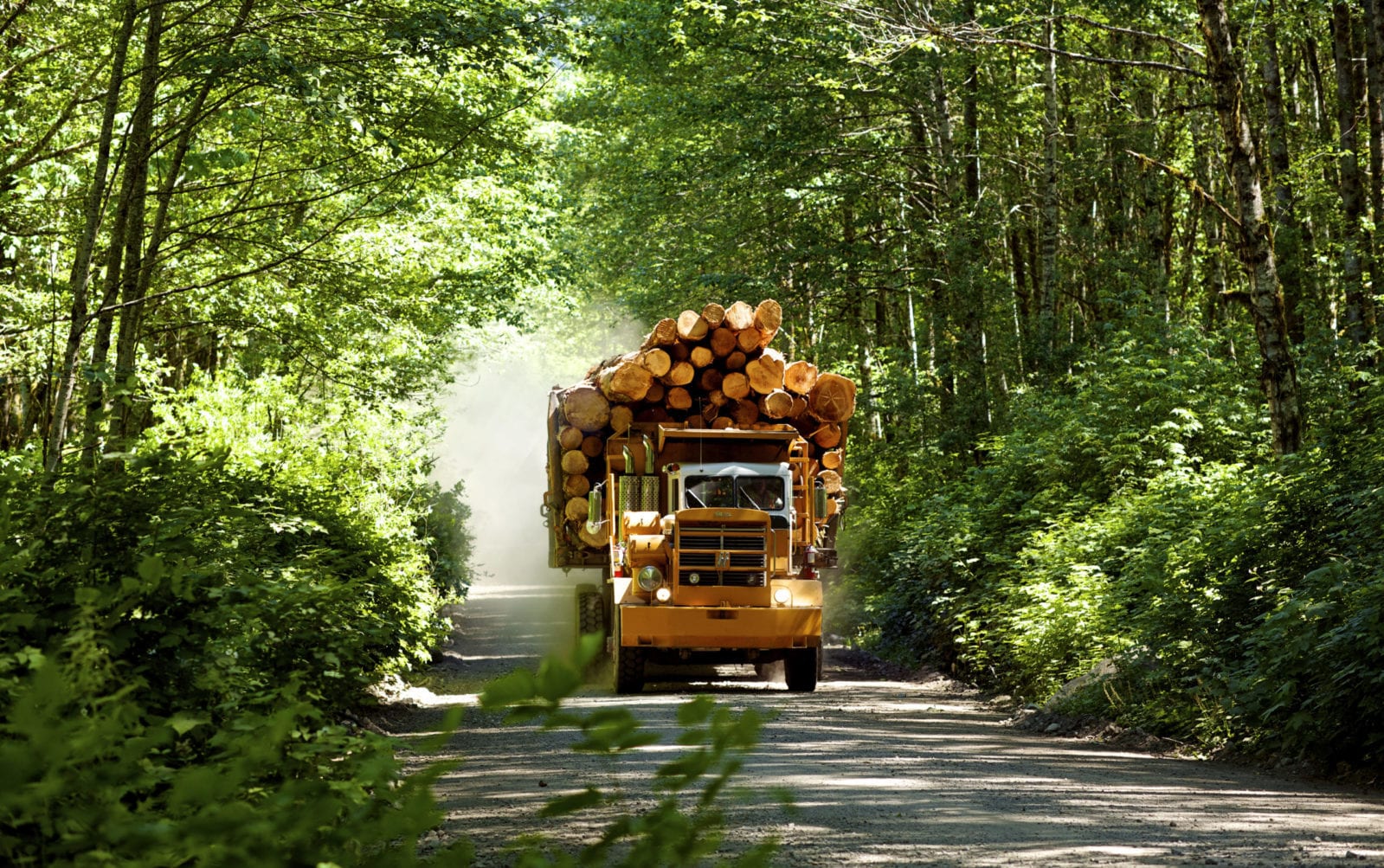
Tech Takes the Lead in Forestry
Modern technology is the engine driving change in Vancouver’s forestry. The use of drones, satellite imagery, and Geographic Information Systems (GIS) dramatically boosts the efficiency of forest management.
- Drone Monitoring. Drones provide detailed, real-time information on forest health. This includes tracking diseases, assessing damage after natural disasters, and pinpointing areas that need reforestation.
- Geographic Information Systems (GIS). GIS is used to create interactive maps of forest tracts, allowing logging to be planned with careful consideration for conservation zones and biodiversity. This significantly reduces the environmental footprint of human activity.
- Biotechnology. Vancouver’s forestry companies are focused on developing trees with enhanced resistance to pests and climate change. This effort helps minimize resource loss and ensures the long-term viability of forest areas.
- Secondary Processing (Recycling). Innovations in waste processing allow for a reduction in debris and a more rational approach to timber use. For example, sawmill residues are converted into biofuel, an eco-friendly alternative to traditional energy sources.
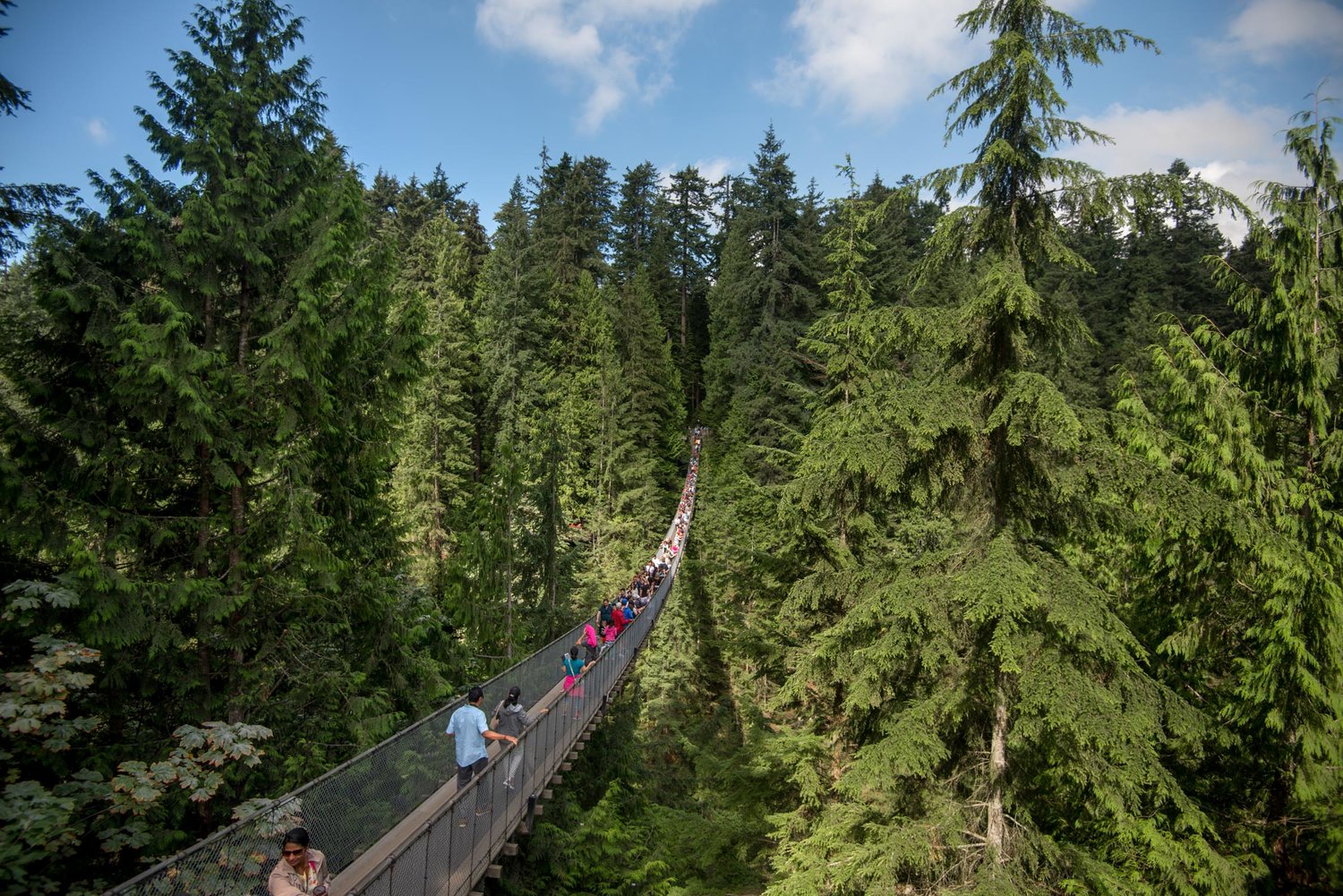
The Economic Powerhouse of the Industry
Forestry sustains thousands of jobs in Vancouver and across British Columbia. The production of timber, pulp, paper, and derived products is one of the province’s primary revenue streams, so it’s no surprise that Vancouver’s forestry sector is heavily export-oriented. The biggest buyers of Canadian timber include the US, China, and Japan.
Moreover, the goods produced in Vancouver are renowned for their high quality, which helps local giants like Canfor, West Fraser, and Interfor maintain a competitive edge on the international stage. In addition, more and more companies are obtaining environmental certifications, making their products more popular and building consumer trust. A compelling fact: products marked with the FSC (Forest Stewardship Council) label confirm that they were manufactured in adherence to rigorous ecological standards.
Protecting Biodiversity: The Challenges Foresters Face
Vancouver’s forests are home to many rare animals and a rich variety of plants, making biodiversity conservation a top priority in this field. Forestry companies must abide by legislation that mandates the protection of natural habitats. Areas like national parks and nature preserves are essential for safeguarding the city’s ecosystems, which is why any industrial activity that could harm the unique flora and fauna is strictly prohibited in these zones. Programs for the recovery of rare species are also actively implemented (in Vancouver, efforts are focused on preserving populations of grizzly bears, rare birds, and fish).
Despite these achievements, Vancouver’s foresters are grappling with serious issues. Climate change is a major one, impacting the health of the forests. Rising temperatures encourage the spread of pests like the mountain pine beetle, which inflict significant damage on trees. Another urban problem is the frequency of wildfires. Although Vancouver utilizes cutting-edge fire-fighting systems, additional investment in preventative measures is still necessary. Furthermore, the growing global demand for forest resources requires even greater responsibility in their utilization.