

Парк · Ванкувері · ⭐ 9.5/10 · 19626 відгуків · оновлено: 2026-08-04 20:18:38
Адреса: Beach Ave, Vancouver, BC V6C 3C1, Канада
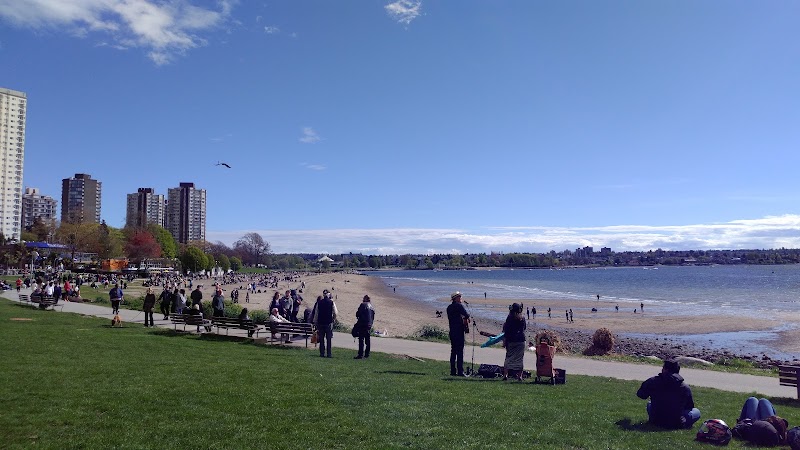
English Bay Beach — головна тераса міста, обличчям на захід
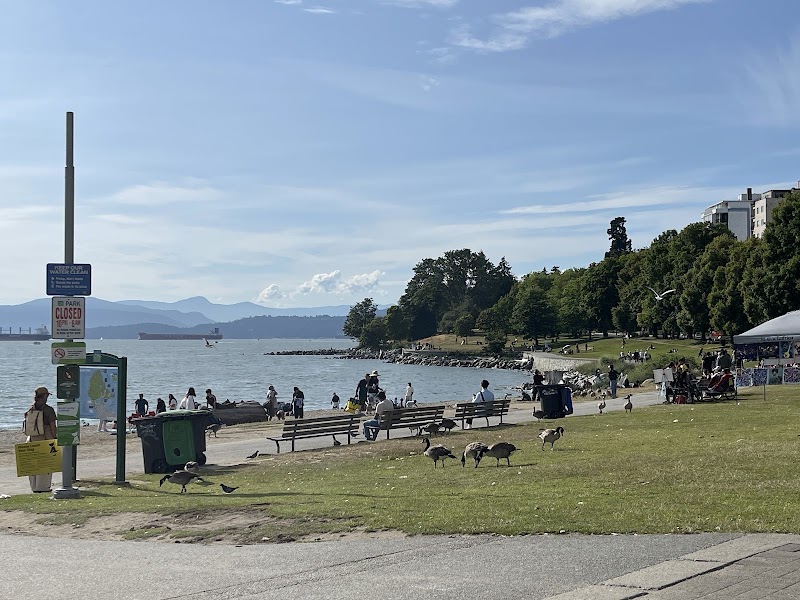
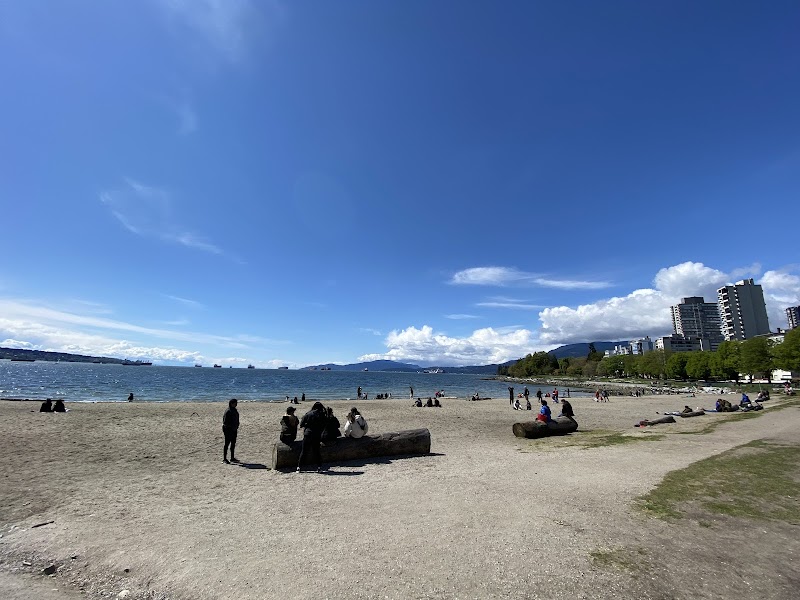
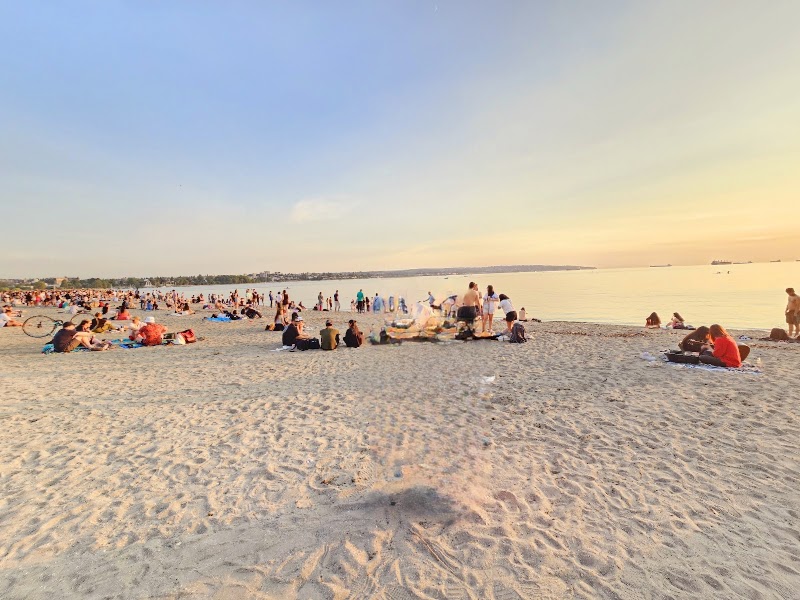
Якщо у Ванкувера є вітальня, то це вона. English Bay Beach лежить біля підніжжя району West End, там, де півострів даунтауну закінчується землею: широка дуга блідого піску й колод-плавнику, що дивиться просто на захід уздовж затоки до протоки Strait of Georgia. На рейді стоять суховантажі, праворуч краєвид замикають гори Північного берега, а ясного вечора кілька тисяч людей сходяться сюди дивитися, як сонце падає за острів Ванкувер. Це міський пляж для купання ще з 1890-х, тут проходить найстаріший і найбільший у країні новорічний заплив у крижаній воді, і це єдиний пляж, де місцеві й приїжджі перемішуються, навіть не помічаючи цього. Набережна Seawall проходить просто крізь нього, тож маршрут планувати не треба: ви просто приходите.
Родзинки
- Inukshuk — постать із сірого граніту заввишки близько шести метрів і вагою приблизно 31 500 кілограмів, складена майстром на ім’я Alvin Kanak із Rankin Inlet для павільйону Північно-Західних територій на Expo 86 і згодом подарована місту Ванкувер. Вона стоїть на газоні над піском і стала найфотографованішим силуетом міста після гір.
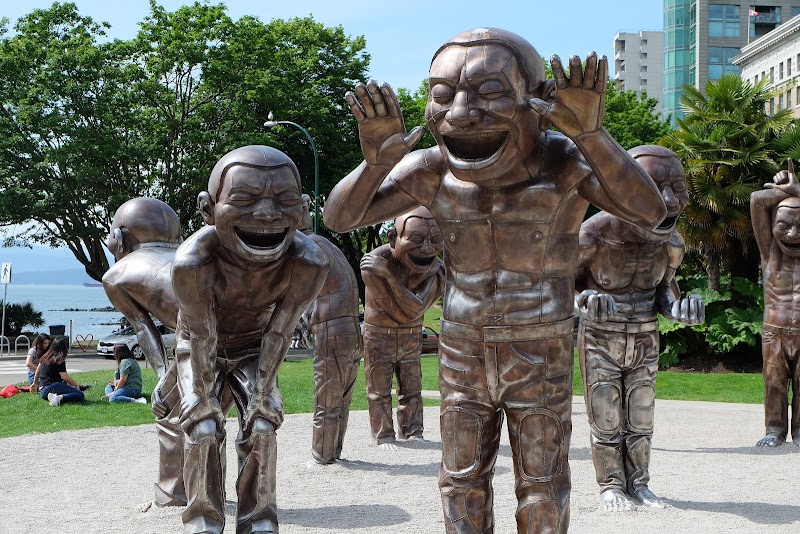
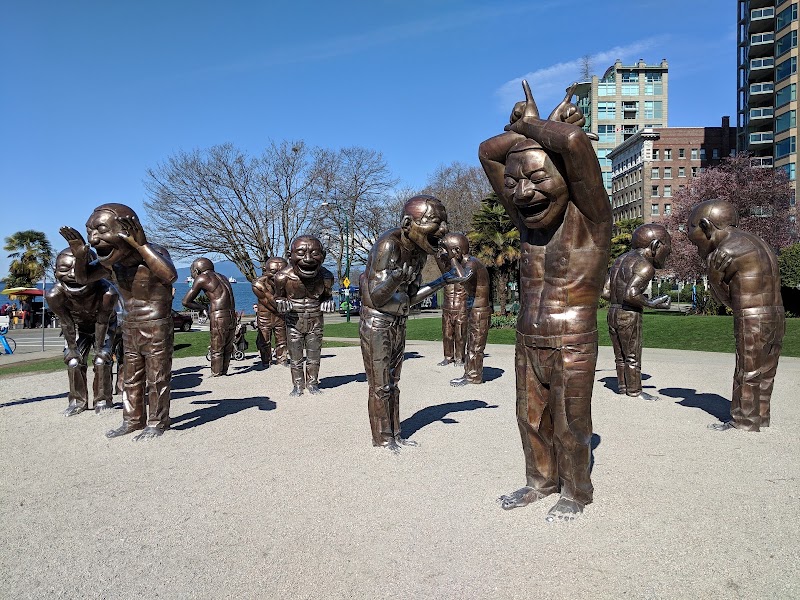
- A-maze-ing Laughter — чотирнадцять патинованих бронзових фігур пекінського художника Yue Minjun, кожна близько трьох метрів заввишки й понад 250 кілограмів вагою, відлитих 2009 року для Vancouver Biennale й подарованих місту подружжям Chip and Shannon Wilson через фонд Wilson5 Foundation 11 серпня 2012 року. Стати всередину гурту й засміятися у відповідь тут фактично обов’язково.
- Polar Bear Swim — проводиться 1 січня щороку з 1920-го, коли ресторатор грецького походження Peter Pantages умовив жменьку друзів залізти у воду. Рекорд — 2550 зареєстрованих плавців у 2014 році, що робить захід одним із найстаріших і найбільших такого роду у світі.
- Купальня 1931 року — низький бетонний павільйон в стилі ар-деко, у якому й досі роздягальні та вбиральні; одна з небагатьох уцілілих деталей довоєнної архітектури пляжу.
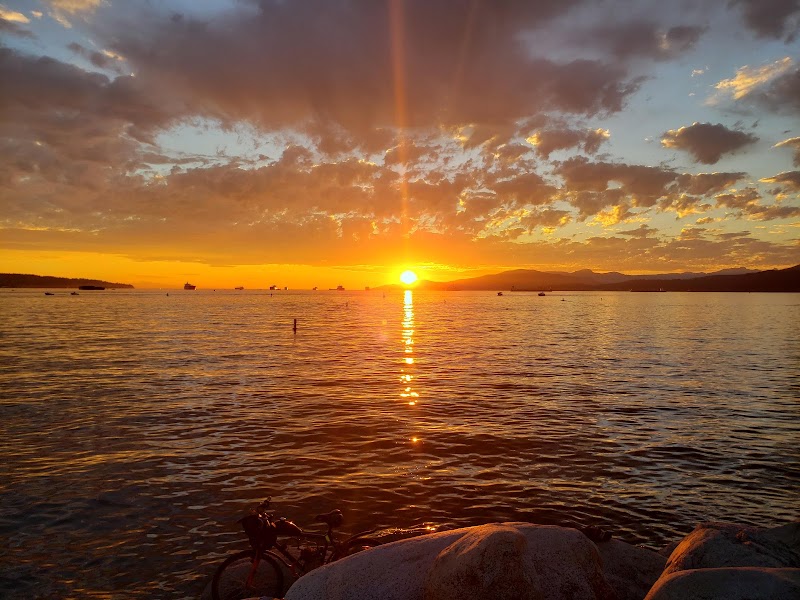
- Захід сонця — пляж дивиться майже точно на захід уздовж затоки, тому колоди-плавник займають за годину до заходу, а черга до кіоску найдовша рівно тієї миті, коли світло стає помаранчевим.
- Haywood Bandstand — легка дерев’яна естрада у стилі королеви Анни, зведена 1914 року в невеликому парку одразу за пляжем; єдина вціліла з семи, що колись стояли по Ванкуверу, відреставрована Park Board у 1987–88 роках.
Що всередині
English Bay Beach радше компактний і щільний, ніж розлогий: смуга піску, смуга газону, смуга публічного мистецтва, а за ними стіна багатоповерхівок West End із кав’ярнями й їжею навинос на рівні вулиці. Усе — за дві-три хвилини від усього.
- Купання під наглядом — у 2026 році рятувальники працювали тут з 16 травня по 7 вересня, зону купання позначали червоно-жовтими прапорцями з полудня до 20:00; ближче до осені години коротшають разом із днем.
- Колоди-плавник — характерні «пляжні меблі» від Park Board, викладені вздовж лінії припливу як вітроломи й спинки; саме тому сюди не треба нести крісло.
- Публічне мистецтво по маршруту — Inukshuk на газоні, A-maze-ing Laughter у скверику одразу позаду і питний фонтан-меморіал роботи скульптора Charles Marega, освячений 1927 року на честь рятувальника Joe Fortes, у сусідньому сквері з естрадою.
- Їжа та напої на краю піску — пляжний кіоск і щільна вервечка кав’ярень, терас і ресторанів за хвилину вглиб West End; саме тому тут частіше вечеряють, ніж влаштовують пікнік.
- Вихід на Seawall в обидва боки — на північ у Stanley Park до його пляжів, на південь повз Sunset Beach до False Creek і мосту Burrard Bridge, і жодного разу не перетинаючи проїжджу частину.
- Місткість для великих подій — затока є природним амфітеатром міста. У 2026 році безкоштовне однонічне піротехнічне шоу Summer Lights in English Bay зібрало берег 31 липня, замінивши багаторічний Honda Celebration of Light, призупинений після 2025 року через брак фінансування.
Чим зайнятися і для кого
- Парам і мисливцям за заходом — приходьте за півтори години до заходу, займайте колоду й дивіться, як світло сідає в затоку повз суховантажі на рейді; це найнадійніша романтична година у Ванкувері.
- Родинам — м’який ухил дна, тепла за місцевими мірками мілина в липні й серпні, рятувальники на вахті, вбиральні в купальні 1931 року й морозиво за тридцять секунд від піску.
- Плавцям і любителям холодної води — усе літо купання під наглядом, а 1 січня — Polar Bear Swim, куди можна прийти подивитися без жодного внеску, а щоб узяти участь, потрібна тільки сміливість.
- Пішоходам і велосипедистам — пляж є природною серединою Seawall: Stanley Park в один бік, False Creek в інший, і саме тут більшість зупиняється на каву.
- Фотографам — Inukshuk на тлі води, чотирнадцять бронзових сміхунів у будь-яку годину і вся затока в контровому світлі присмерку; звіряйте приплив, бо відплив приблизно подвоює корисну площу піску.
- Тим, у кого є вечір і немає плану — пляж нічого не коштує, не потребує бронювання, достатньо людний, щоб було спокійно й весело, і за п’ять хвилин від найщільнішої ресторанної смуги міста.
Як дістатися і практичне
Пляж лежить біля західного підніжжя району West End, на півострові даунтауну, одразу на південь від Stanley Park. Найближча станція SkyTrain — Burrard на лінії Expo Line, приблизно 15–20 хвилин пішки під гору вниз через квартал; станція Waterfront, де Expo Line сходиться з Canada Line і причалом SeaBus на Північний берег, — це довша прогулянка або коротка пересадка на автобус. Автобуси 5 і 6 ідуть через West End до краю пляжу, а 19-й прямує далі до Stanley Park. Часто найзручніше приїхати велосипедом, бо Seawall виводить просто на пісок з обох боків. Сам пляж безкоштовний і відкритий цілодобово, без брам і квитків: ні за пісок, ні за скульптури, ні за естраду платити не треба. Платне паркування на вулиці й на майданчиках поруч є, але його мало, а теплого вечора не лишається зовсім, тож розумний вибір — громадський транспорт або два колеса. Вбиральні й роздягальні — у купальні 1931 року; кіоск працює сезонно. Алкоголь на пляжі заборонений, окрім спеціально визначених пілотних зон, а скляна тара на пісок не допускається. Плануйте годину, якщо просто проходите набережною, і цілий вечір, якщо лишаєтеся на захід сонця.
Коли відвідати
Літо — головна дія цього пляжу: липень і серпень стабільно сухі, вода найтепліша, рятувальники на вахті, а пісок заповнюється з середини дня. Натовп буде — і буде доброзичливим. Осінь швидко спорожняє берег уже на початку вересня: рятувальники йдуть, кіоск зачиняється, і до жовтня затока належить собачникам, спостерігачам за штормами й фотографам, які віддають перевагу сірій воді з золотим обідком на обрії. Зима тут мокра й м’яка, а не морозна: дощ майже щодня, температура зазвичай на кілька градусів вище нуля, берег придатний для прогулянок цілий рік. Саме зима дає найвідомішу мить пляжу — Polar Bear Swim 1 січня, коли кілька тисяч людей забігають у воду температурою десь шість-сім градусів. Весна тут рання: сакура на вулицях West End із березня, довші вечори з квітня, а в травні колоди знову зайняті, хоч вода ще й бадьорить. Найкраще світло року, ймовірно, наприкінці вересня, коли літня імла зійшла, а сонце ще сідає у відкриту воду.
Цікаво знати
Англійську назву затока дістала від капітана George Richards, який робив тут зйомку в 1860-х, але міська історія пляжу починається з однієї людини. Seraphim Joseph Fortes, якого всі звали просто Joe, народився у Вест-Індії 1863 року, відпрацював свій шлях до Британії й у 1885-му прибув у Burrard Inlet на барку Robert Kerr. Він осів на English Bay — спершу барменом, а потім людиною, яка назавжди лишилася на піску: навчив плавати три покоління ванкуверських дітей, урятував щонайменше двадцять дев’ять людей і зрештою був зарахований до міського штату як перший офіційний рятувальник. Коли він помер 4 лютого 1922 року, місто влаштувало йому громадський похорон через три дні у соборі Holy Rosary Cathedral: церква не вмістила всіх, а вздовж маршруту стояло, за оцінками, десять тисяч людей — один із найбільших похоронів в історії Ванкувера. У 1927 році в невеликому сквері за пляжем освятили меморіальний питний фонтан роботи італійсько-канадського скульптора Charles Marega з написом «Little children loved him». Пляж навколо нього змінювався послідовно: з 1901 року в море виходив дерев’яний пірс з естрадою, у 1914-му вже на суходолі звели естраду в стилі королеви Анни, що збереглася, а бетонну купальню, якою досі користуються плавці, збудували 1931 року. Новорічна традиція ще давніша. 1 січня 1920 року Peter Pantages, грецький емігрант із театральної родини Pantages, який плавав у затоці щодня свого життя, умовив приблизно п’ятьох друзів залізти у воду разом із ним; заснований ним Polar Bear Club відтоді збирається щороку, а рекорд поставив 2014-й — 2550 зареєстрованих плавців. Дві сучасні деталі стали візуальним підписом пляжу. Inukshuk з’явився 1986 року у складі павільйону Північно-Західних територій на Expo 86 — гранітну постать роботи Alvin Kanak потім передали місту й переставили над піском, і саме її складений із каменів контур згодом надихнув емблему зимової Олімпіади 2010 року. A-maze-ing Laughter приїхав 2009-го з Vancouver Biennale, і коли тимчасова виставка добігла кінця, подружжя Chip and Shannon Wilson викупило скульптуру для міста через свій фонд 11 серпня 2012 року, щоб чотирнадцять фігур лишилися назавжди. Були в затоки й темніші дні: 8 квітня 2015 року з судна на рейді витекло щонайменше 2700 літрів бункерного мазуту, забруднивши морських птахів і закривши пляжі, і надовго відкривши суперечку про швидкість реагування на розливи на цьому узбережжі. Змінилася й найбільша щорічна подія: піротехнічний конкурс Honda Celebration of Light, який із 1990 року щоліта збирав на цьому березі сотні тисяч людей, після 2025-го призупинили на невизначений строк через фінансування, а місто провело безкоштовну однонічну заміну — Summer Lights in English Bay 31 липня 2026 року.
Поради відвідувачу
- Перед походом «за піском» подивіться приплив. У відплив пляж стає приблизно вдвічі ширшим, а мілина тягнеться далеко — ідеально з малими дітьми; у приплив корисна смуга вузька, і єдині «меблі» — колоди.
- На захід сонця в липні й серпні приходьте щонайменше за годину. Хороші колоди розбирають першими, набережна позаду забивається щільно, а черга в кіоск досягає піку рівно тоді ж, коли й світло.
- Теплого вечора і 1 січня залиште авто вдома. Паркування біля пляжу мало й дороге навіть у звичайний день, а під час Polar Bear Swim чи піротехнічного вечора його фактично немає.
Питання й відповіді
Чи безкоштовний English Bay Beach? Так. Пісок, газон, набережна, Inukshuk і A-maze-ing Laughter — усе безкоштовне й відкрите будь-якої години. Ні квитків, ні бронювання. Платити доводиться тільки за паркування і за те, що купите в кіоску.
Тут справді можна купатися? Так, і купаються тисячі. У 2026 році пляж мав рятувальників з 16 травня по 7 вересня, а зону під наглядом позначали червоно-жовтими прапорцями з полудня до 20:00. Поза цими датами й годинами ви купаєтеся на власний ризик. Найтепліша вода — у серпні, і навіть тоді для більшості приїжджих вона прохолодна.
Що таке Polar Bear Swim і чи можна долучитися? Це масовий заплив у крижаній воді 1 січня, що не переривався з 1920 року, коли Peter Pantages привів сюди кількох друзів. Узяти участь може будь-хто — реєструються в день заходу — а рекордна явка була 2550 плавців у 2014-му. Ще тисячі приходять просто подивитися.
Хто зробив бронзових сміхунів? Пекінський художник Yue Minjun, 2009 року, для Vancouver Biennale. Їх чотирнадцять, кожна фігура заввишки близько трьох метрів і вагою понад 250 кілограмів, і всі вони мають обличчя самого автора в нападі сміху. Місту їх подарували Chip and Shannon Wilson через фонд Wilson5 Foundation 11 серпня 2012 року.
Звідки взявся Inukshuk? Його замовив уряд Північно-Західних територій для свого павільйону на Expo 86, а склав із сірого граніту майстер Alvin Kanak із Rankin Inlet. Після всесвітньої виставки постать передали місту Ванкувер і встановили над пляжем: близько шести метрів заввишки і приблизно 31 500 кілограмів ваги.
Чи проходить ще літній феєрверк? Не в колишньому вигляді. Honda Celebration of Light, багатовечірній міжнародний конкурс, який влаштовували над цією затокою з 1990 року, після 2025-го призупинили на невизначений строк через фінансування. Натомість місто провело безкоштовне однонічне шоу Summer Lights in English Bay 31 липня 2026 року.
Як дістатися без авто? Спуститися через West End від станції Burrard на лінії Expo Line — приблизно 15–20 хвилин, або сісти на автобус 5 чи 6 через квартал. Набережна Seawall також виводить просто на пляж із півночі, зі Stanley Park, і з півдня, від False Creek — пішки чи велосипедом.
Чи підходить пляж для дітей? Це один із найкращих у місті для цього: пісок полого йде у воду, у відплив мілина тягнеться далеко, влітку чергують рятувальники, у купальні 1931 року є вбиральні й роздягальні, а їжа за тридцять секунд. Скляна тара на піску заборонена, і це теж допомагає.
Фото
Показати ще 1 фото
Відгуки відвідувачів
Останнє оновлення відгуків: 2026-08-04 20:18:38
Дані оновлюються щомісяця. Джерела: vancouver-name.com та редакційна вибірка за відгуками.
Чудовий пляж для прогулянок і пікніків з сімʼєю
Види добрі, тільки дуже багато курців конопель
Гарне місце, в хорошу погоду тут багато людей. Немає спеціального місця щоб помити ноги та переодягнутися